A Trip To Ooty
Most people go to Ooty for a simple reason, to take a break. Cool weather, green hills, tea estates, and a few famous viewpoints. It's the kind of place you visit to relax, click photos, and come back refreshed. That's what I expected too.
But somewhere along the journey, it stopped feeling like just another trip. It became something quieter, more personal, a mix of observation, reflection, and learning how to slow down in a way I'm not used to.
The Journey: Where It Actually Begins
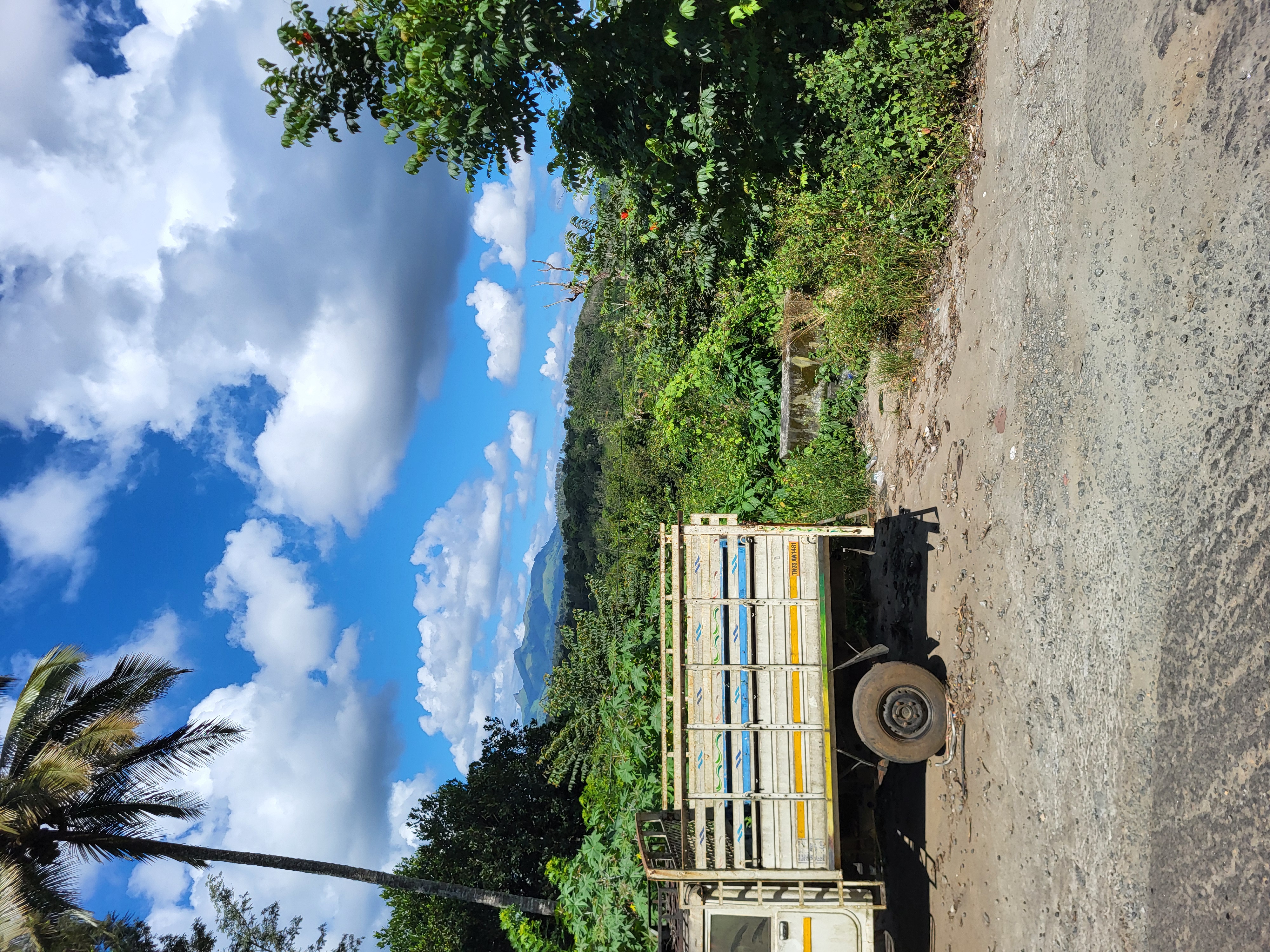
We started early, leaving behind the usual city chaos, traffic, noise, and constant distractions. As the drive progressed, things began to change gradually. The roads opened up, the air felt lighter, and the pace of everything slowed down. Once we hit the ghat section, the journey became more engaging.
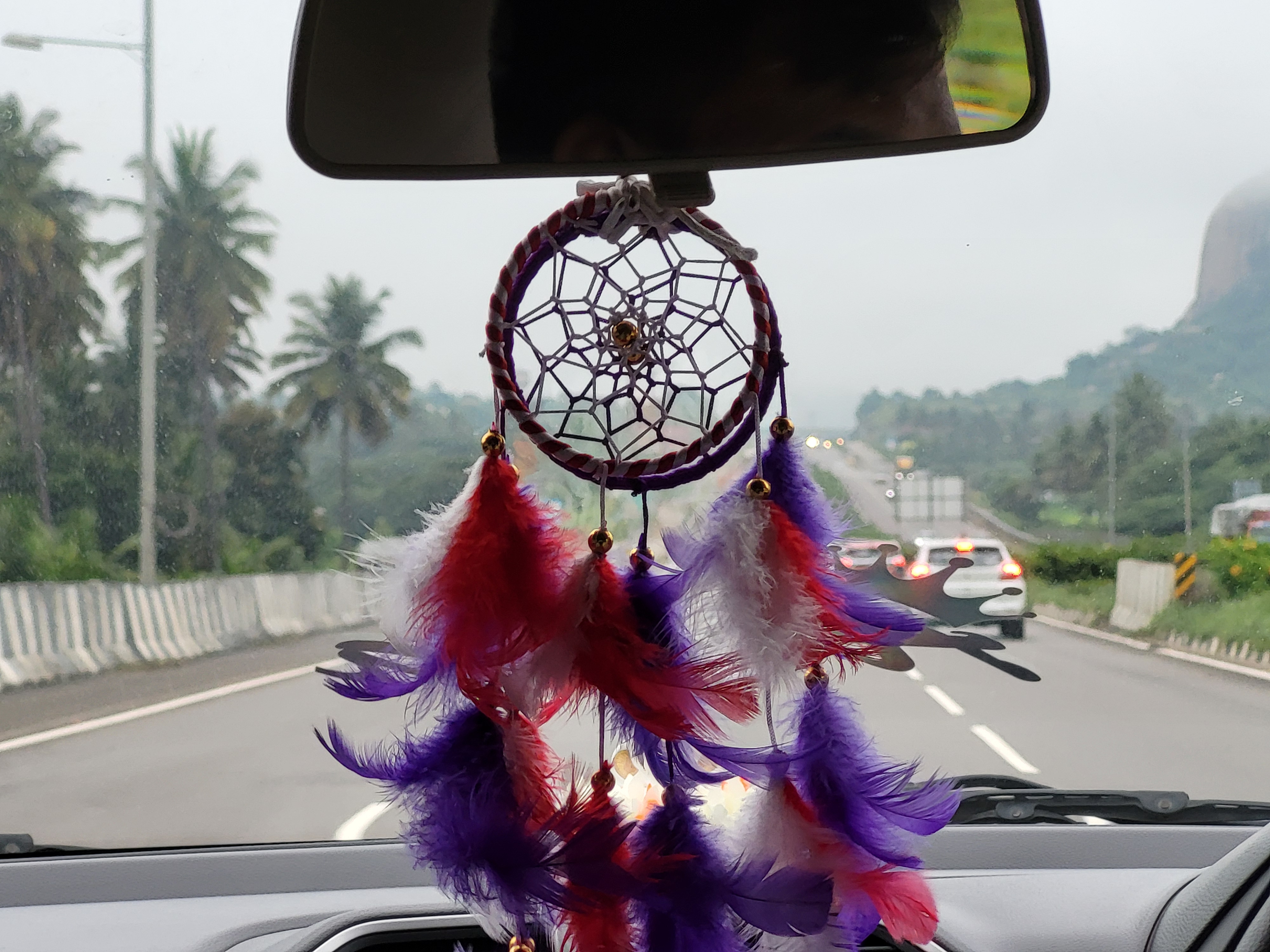
Driving through those winding mountain roads isn't passive. Every turn demands attention. The curves are sharp, the drops are steep, and the views keep shifting every few minutes. We made a few stops along the way, small roadside stalls, viewpoints, and random pauses just to take in the surroundings. These weren't "planned" stops, but they ended up being some of the most memorable parts of the journey. You notice small things more when you're not rushing, the silence, the scale of the valleys, and even the simplicity of people living in those remote areas.
The Tea Estates: Walking Through the Mist
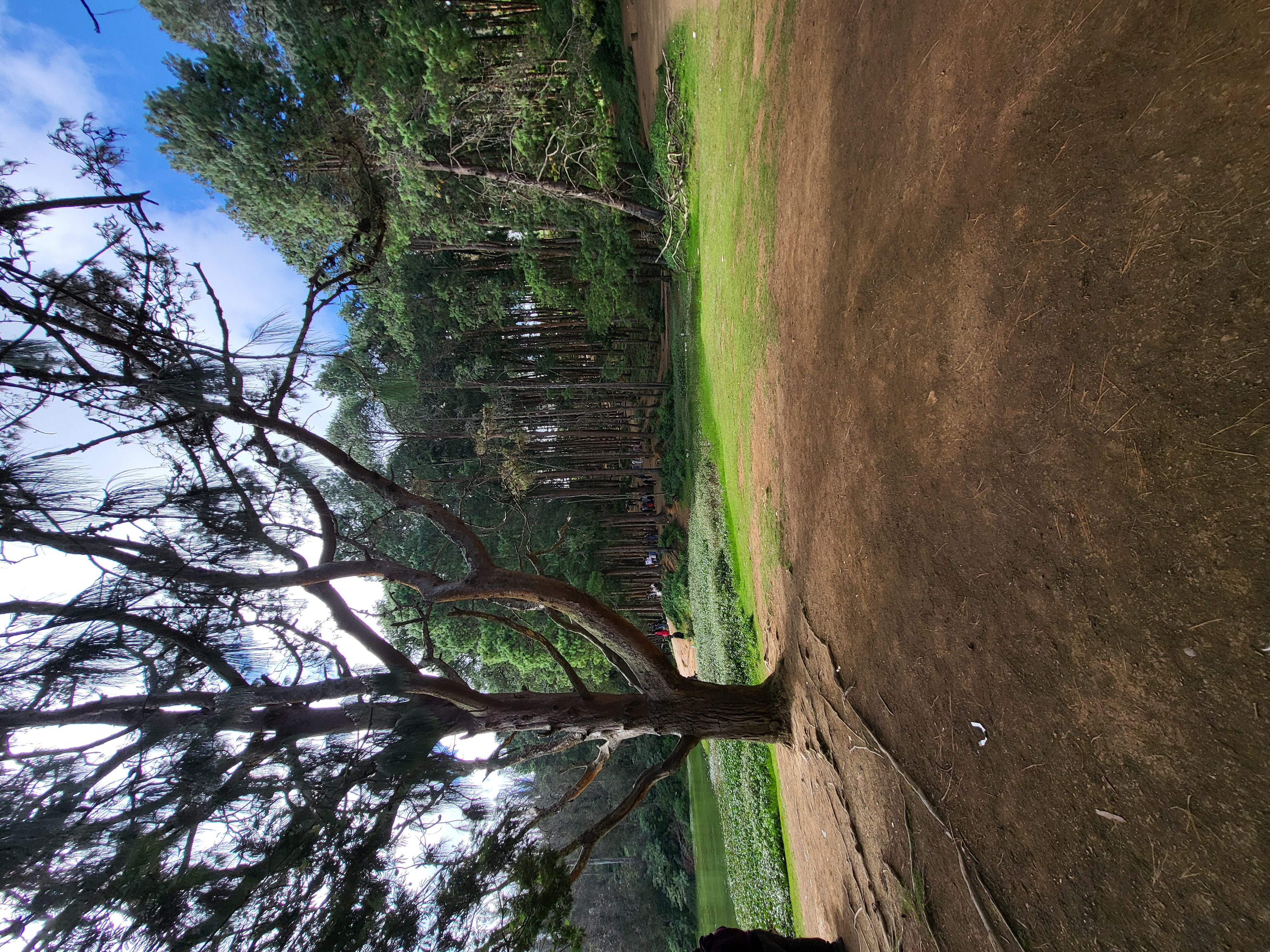
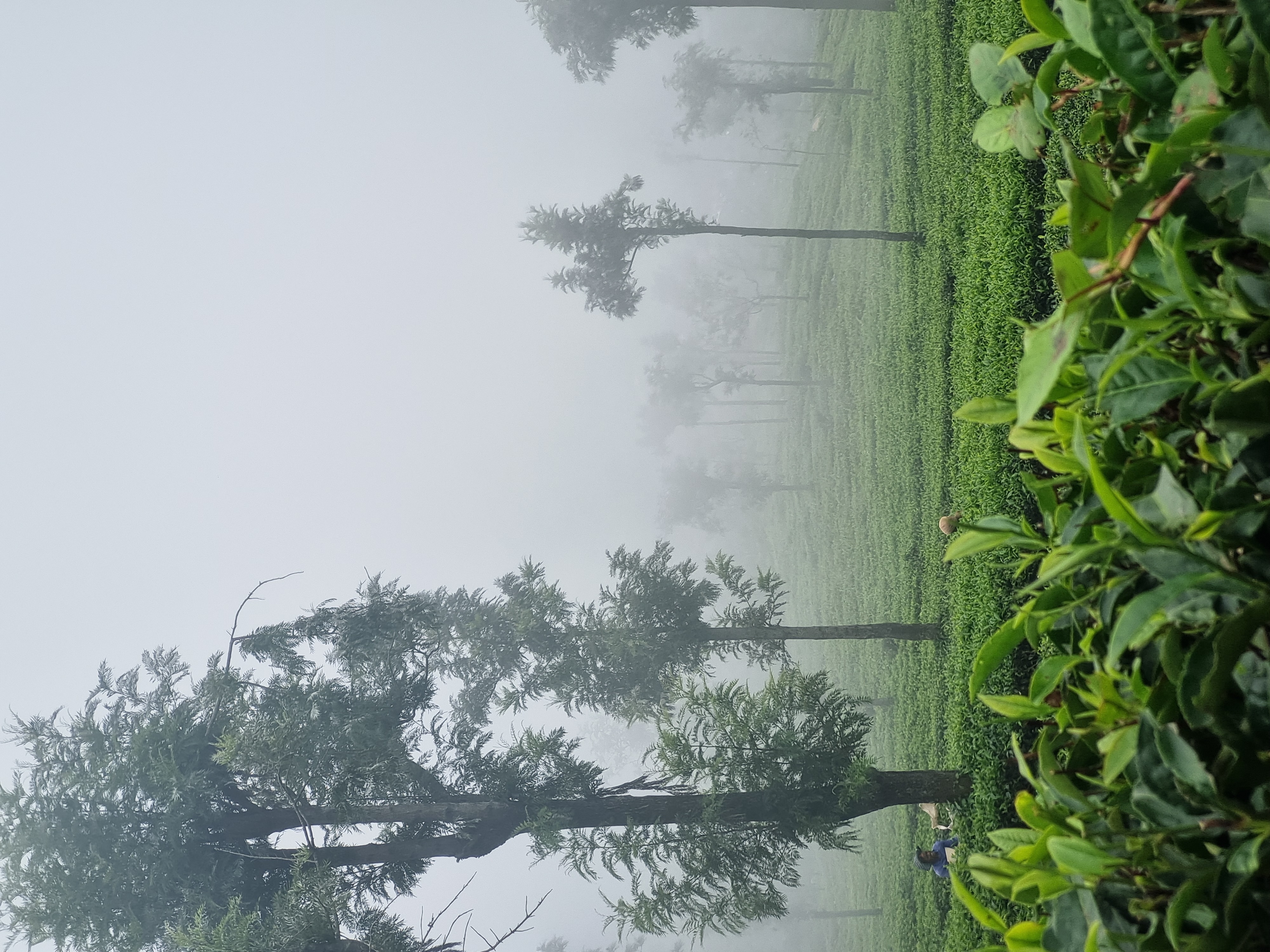
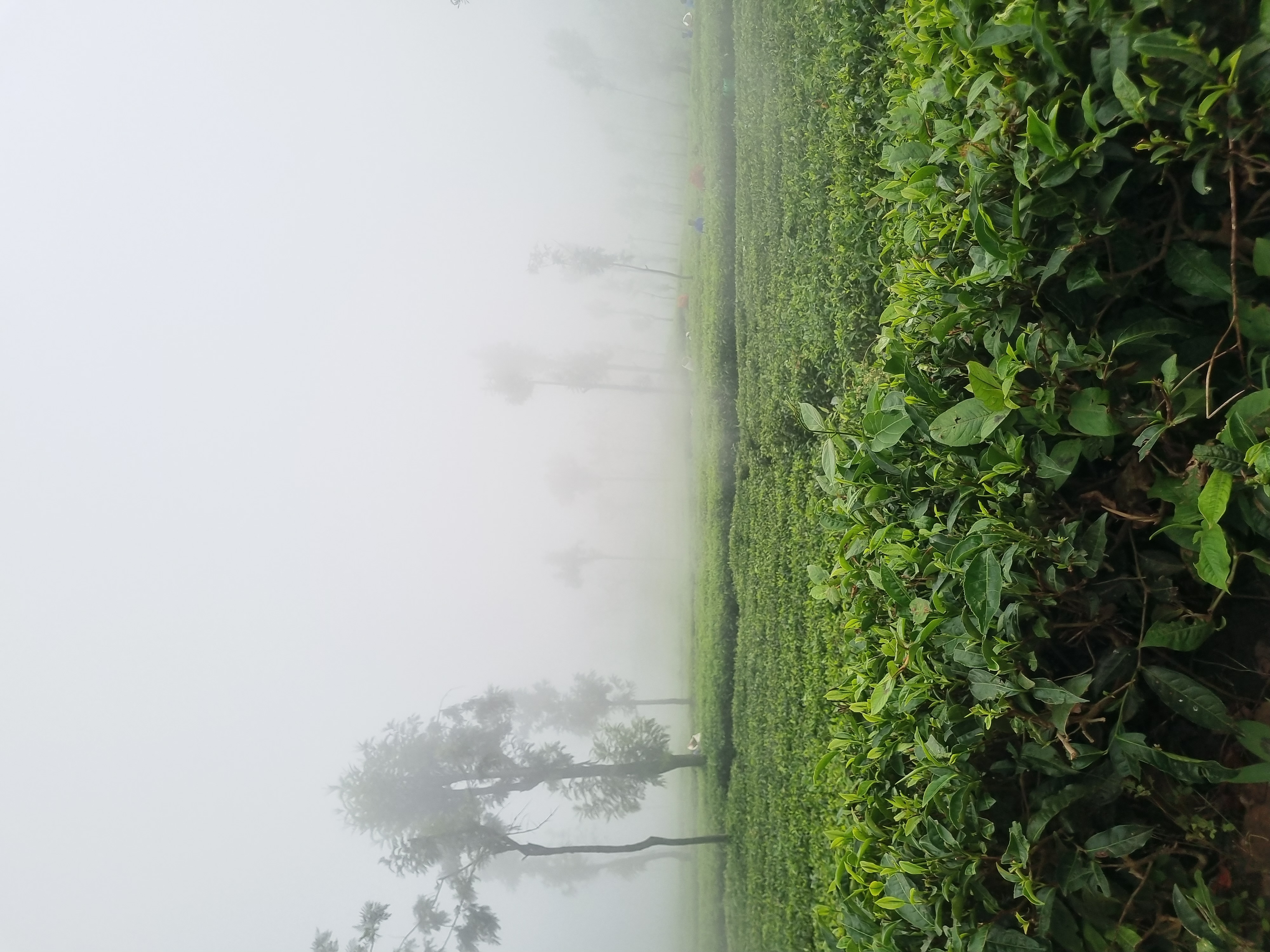
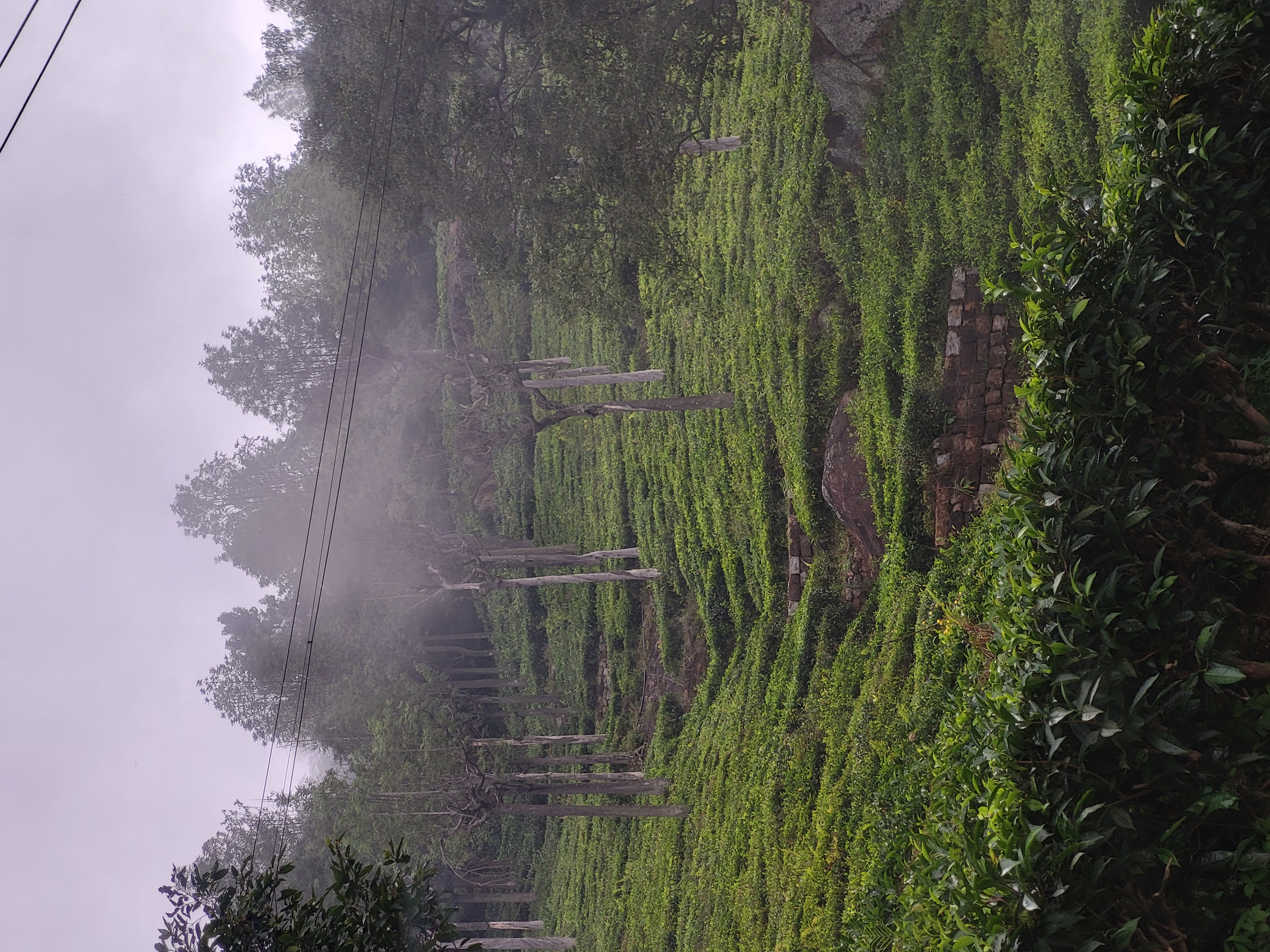
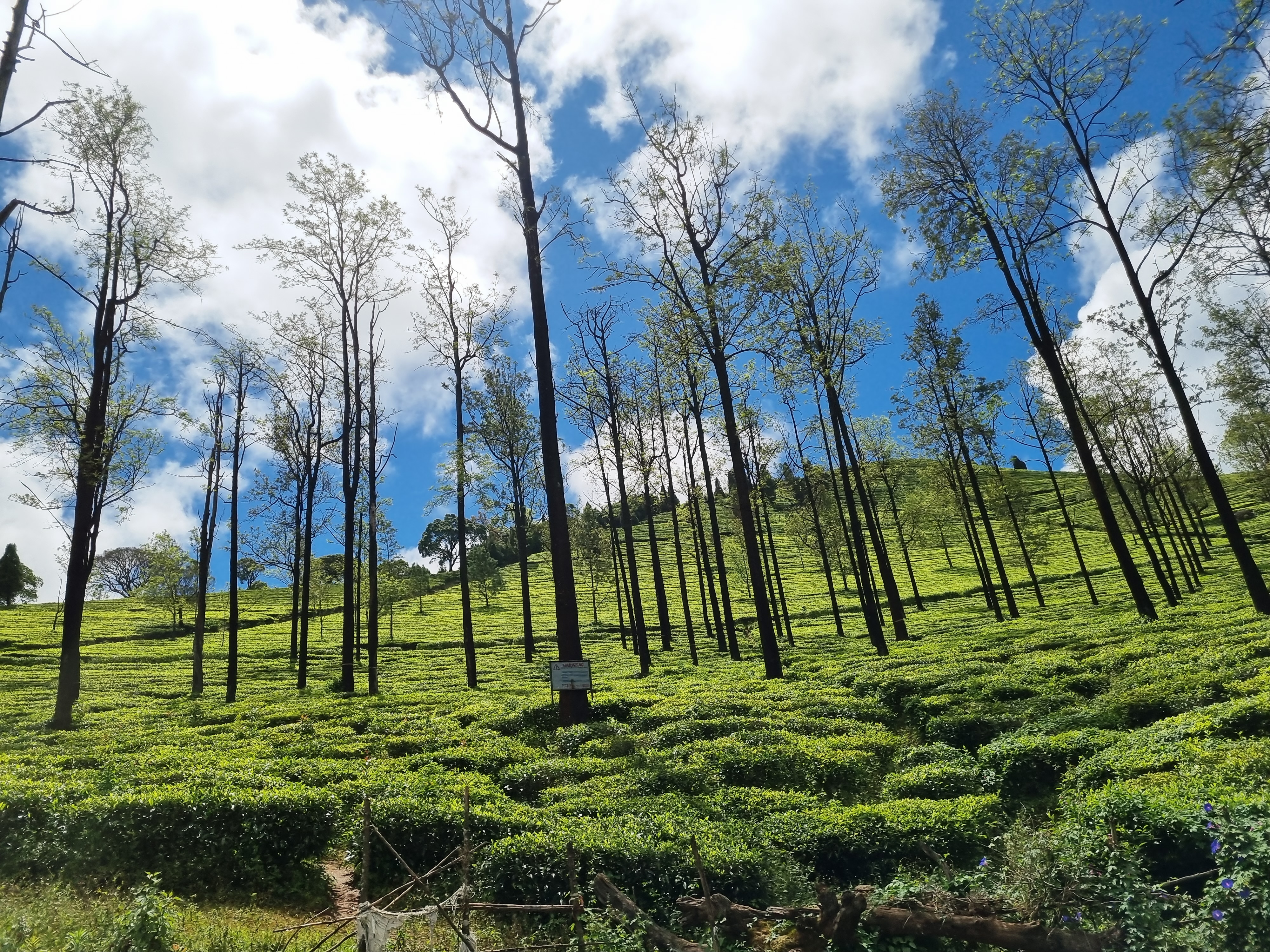
One of the most memorable parts of the trip was visiting the tea estates. At first, it looks exactly like what you'd expect, endless green slopes, neatly arranged tea plants, and scenic views. But what made it different was the weather. The mist was thick. Not the light, cinematic fog you see in pictures, but a dense layer that actually reduces visibility. As we walked through the estates, the surroundings kept fading in and out, you could only see a few meters ahead, the trees looked like silhouettes, and the path seemed to disappear into nothing.
It created a strange sense of isolation, even though we weren't far from the main areas. But instead of feeling uncomfortable, it made the experience more immersive. You become more aware of where you are, how you're moving, and what's around you.
Boating at the Lake: Slowing Down
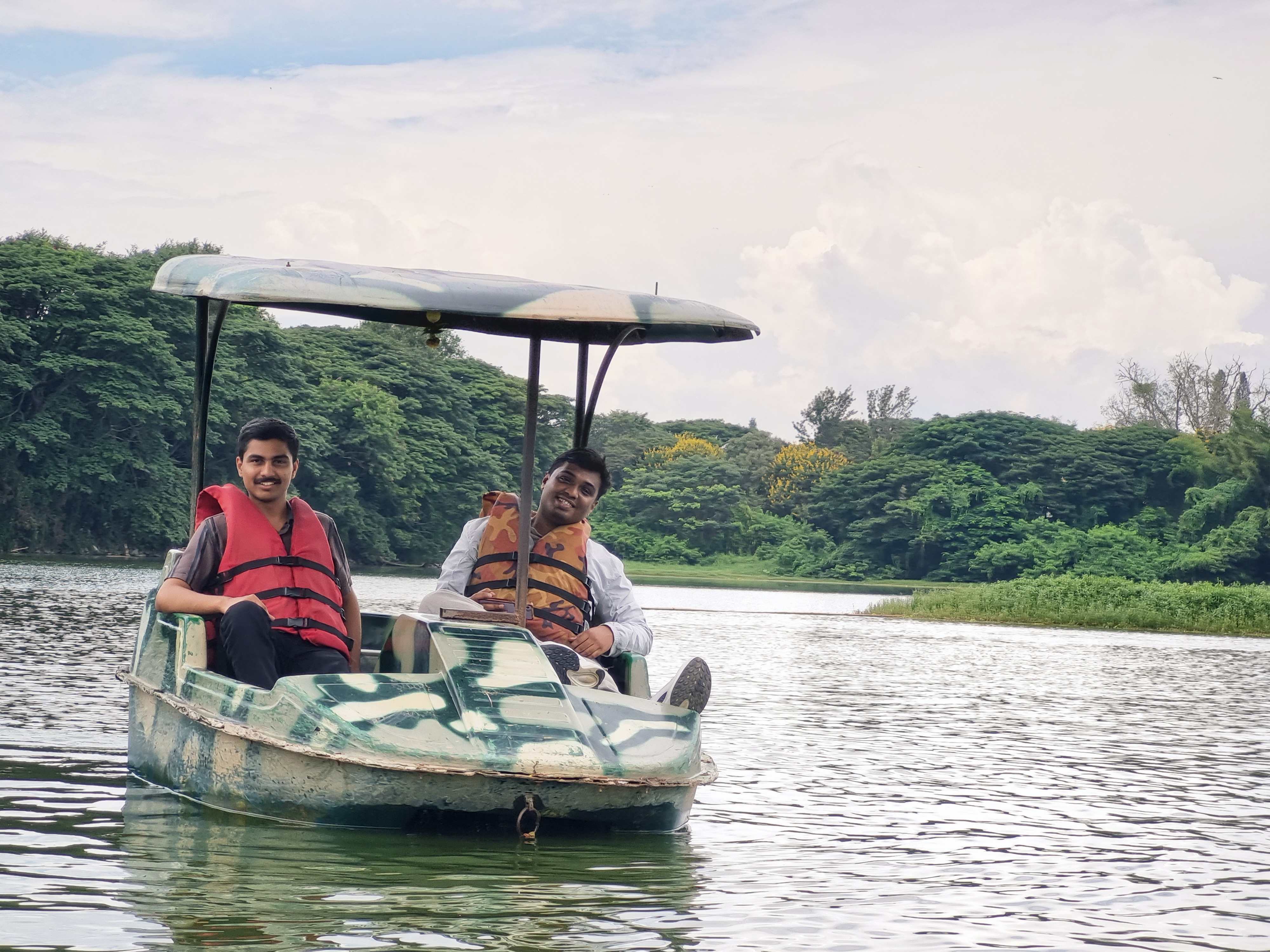
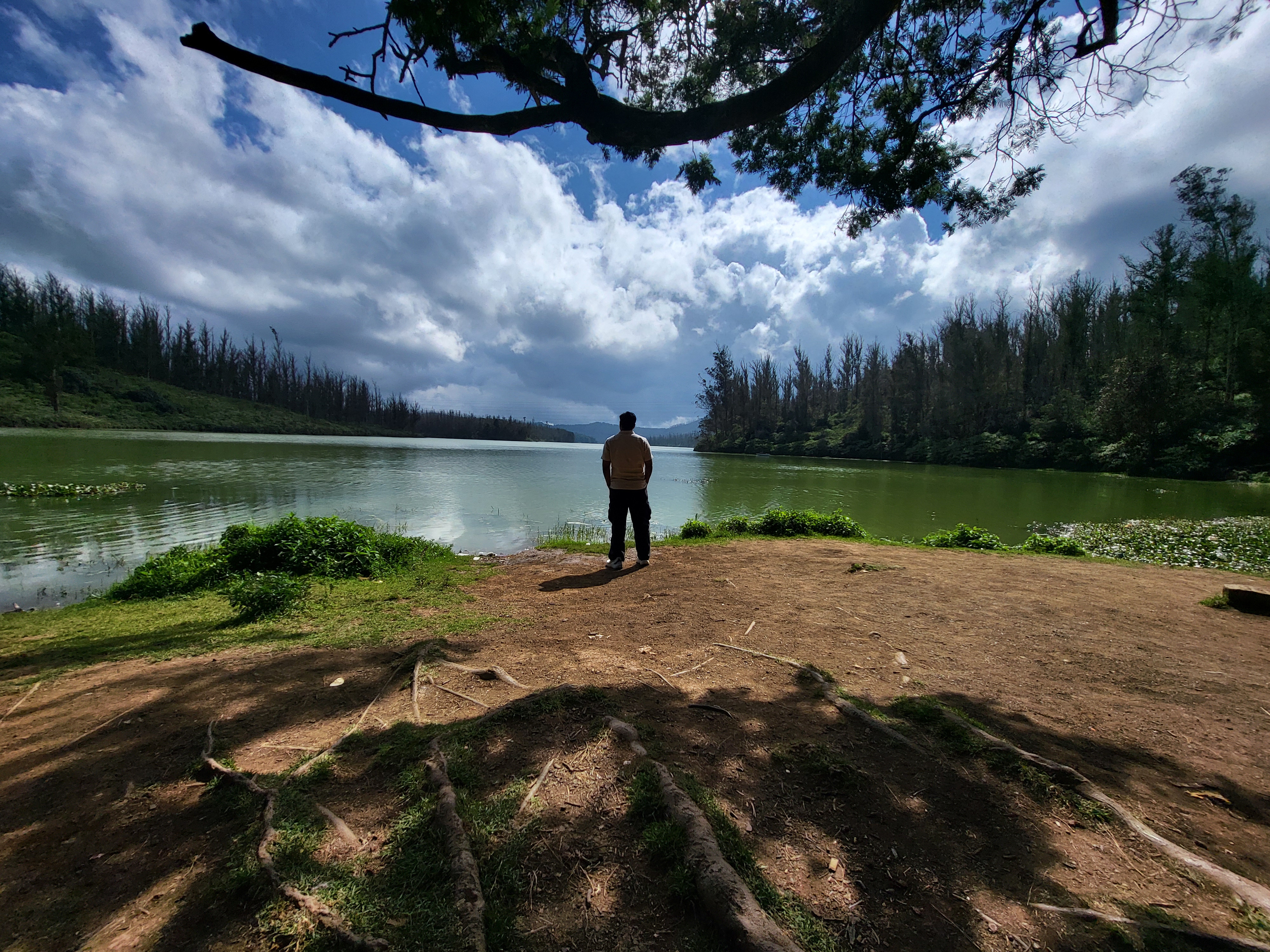
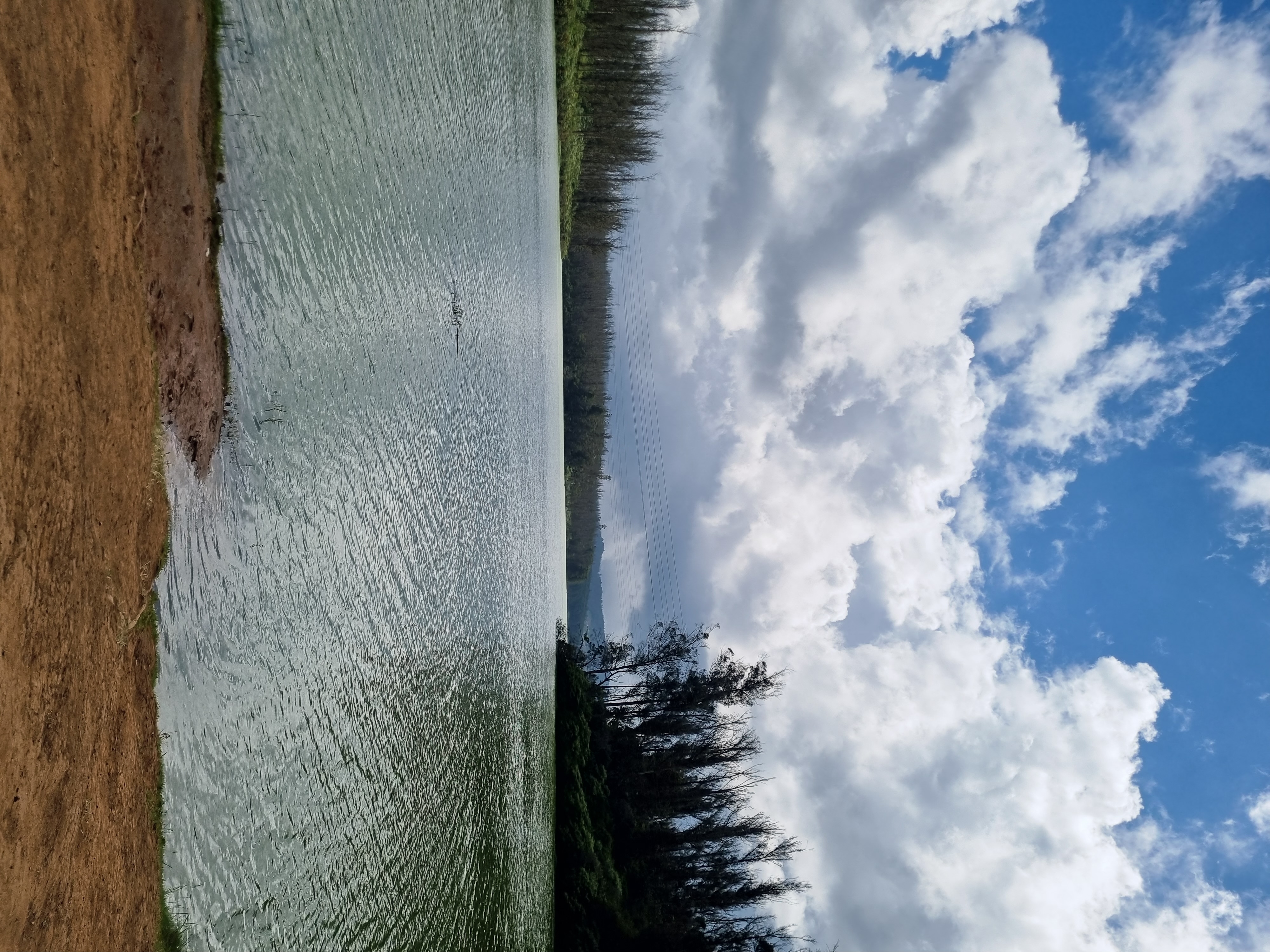
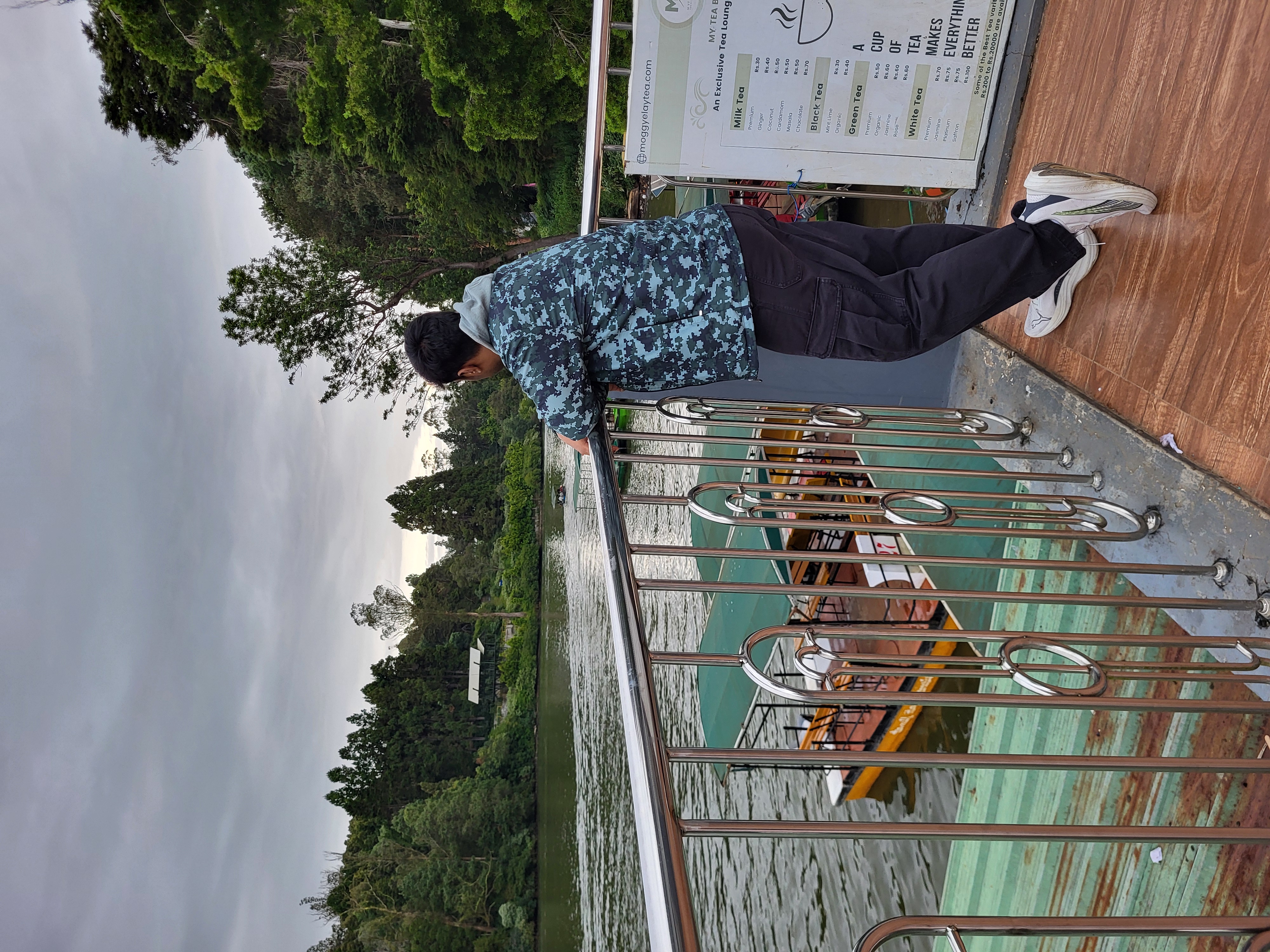
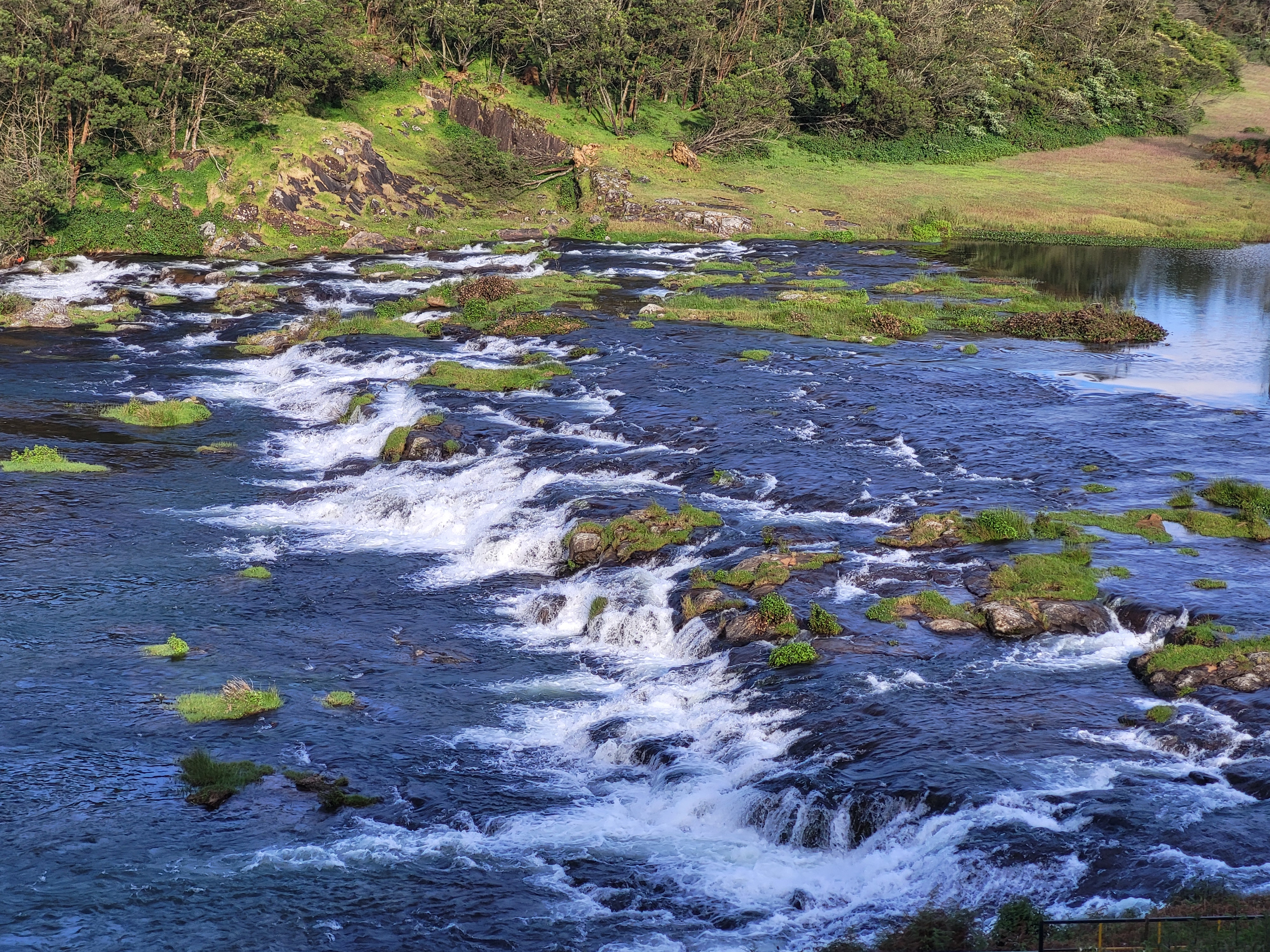
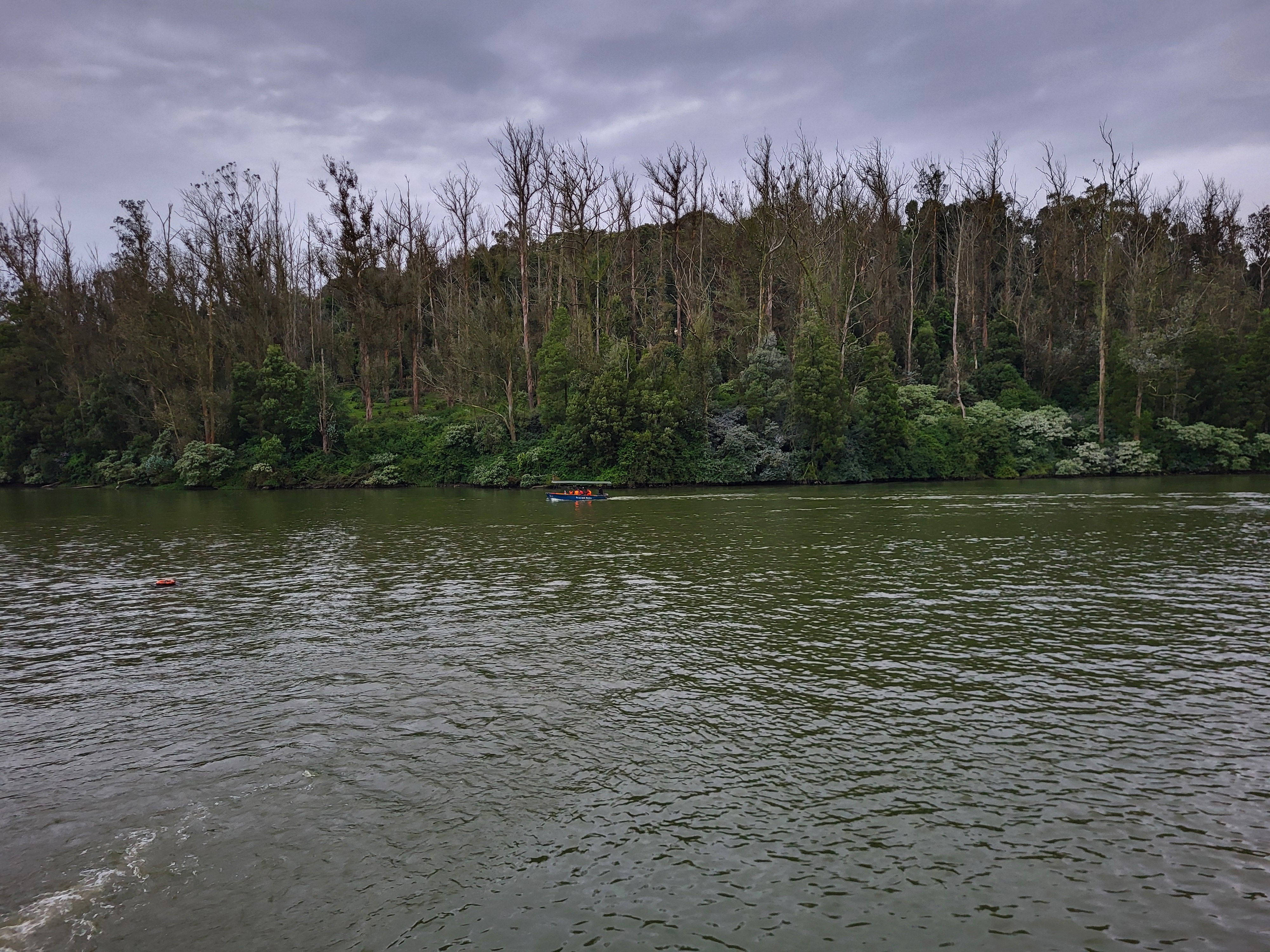
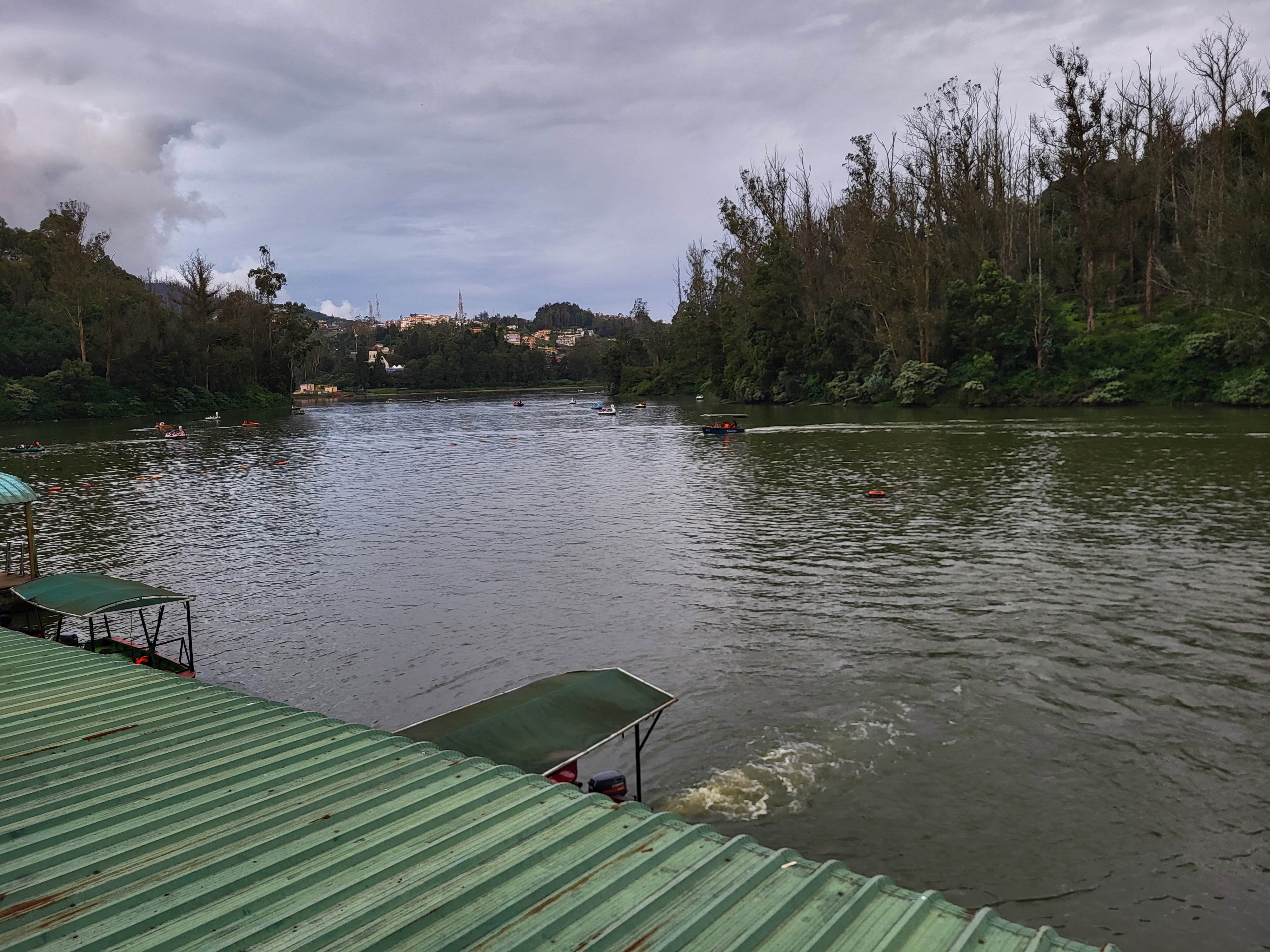
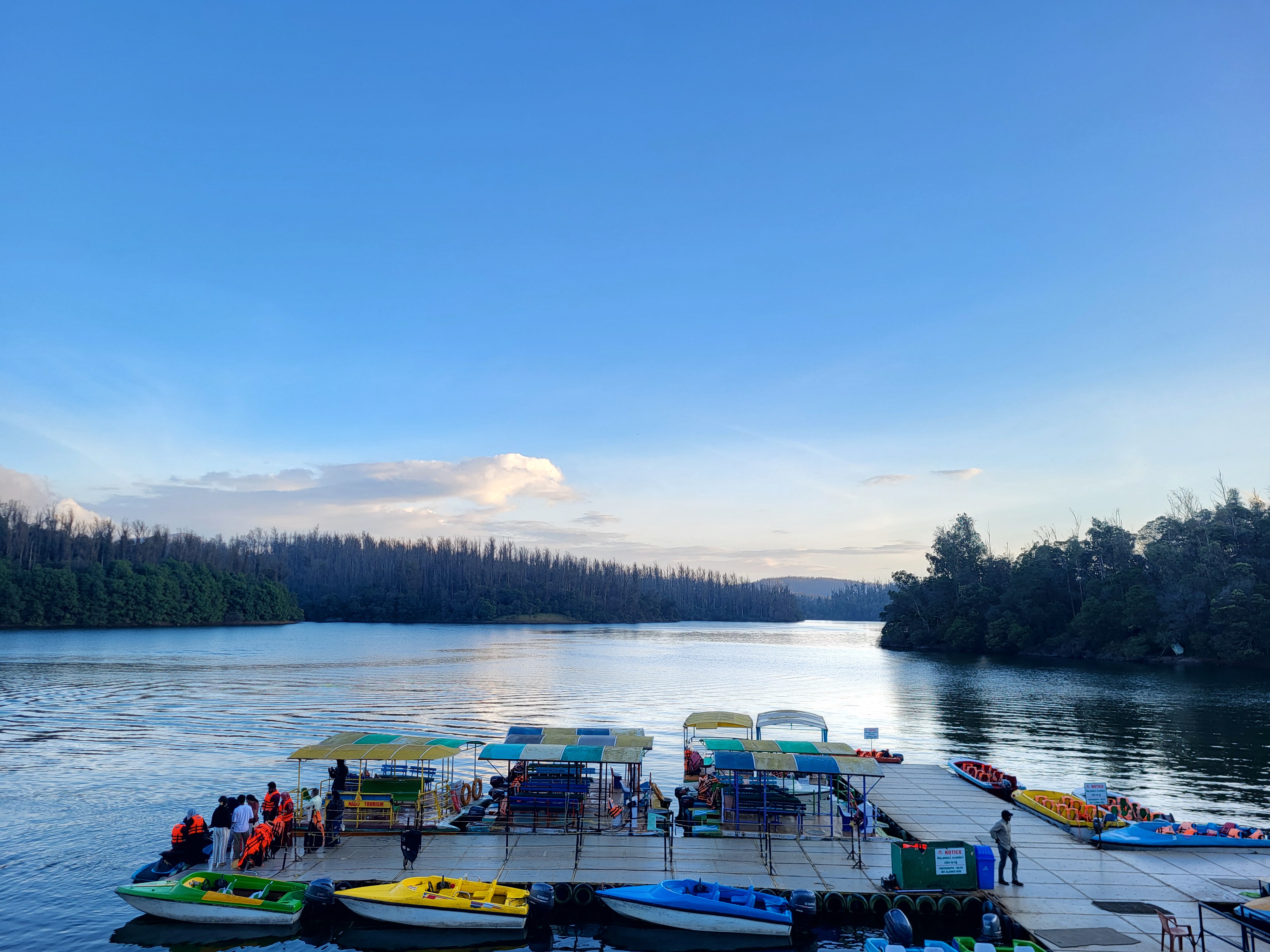
We also spent time at the Ooty Lake, where we went boating. Compared to everything else, this was one of the calmer parts of the trip. Sitting on the water, surrounded by hills and trees, there's not much to do, and that's exactly what makes it different. No constant stimulation, no urgency, just steady movement across the lake. It's one of those moments where you realize how used you are to being occupied all the time. When that disappears, even for a while, it feels unfamiliar, but in a good way.
The Hill Viewpoints: Seeing the Bigger Picture
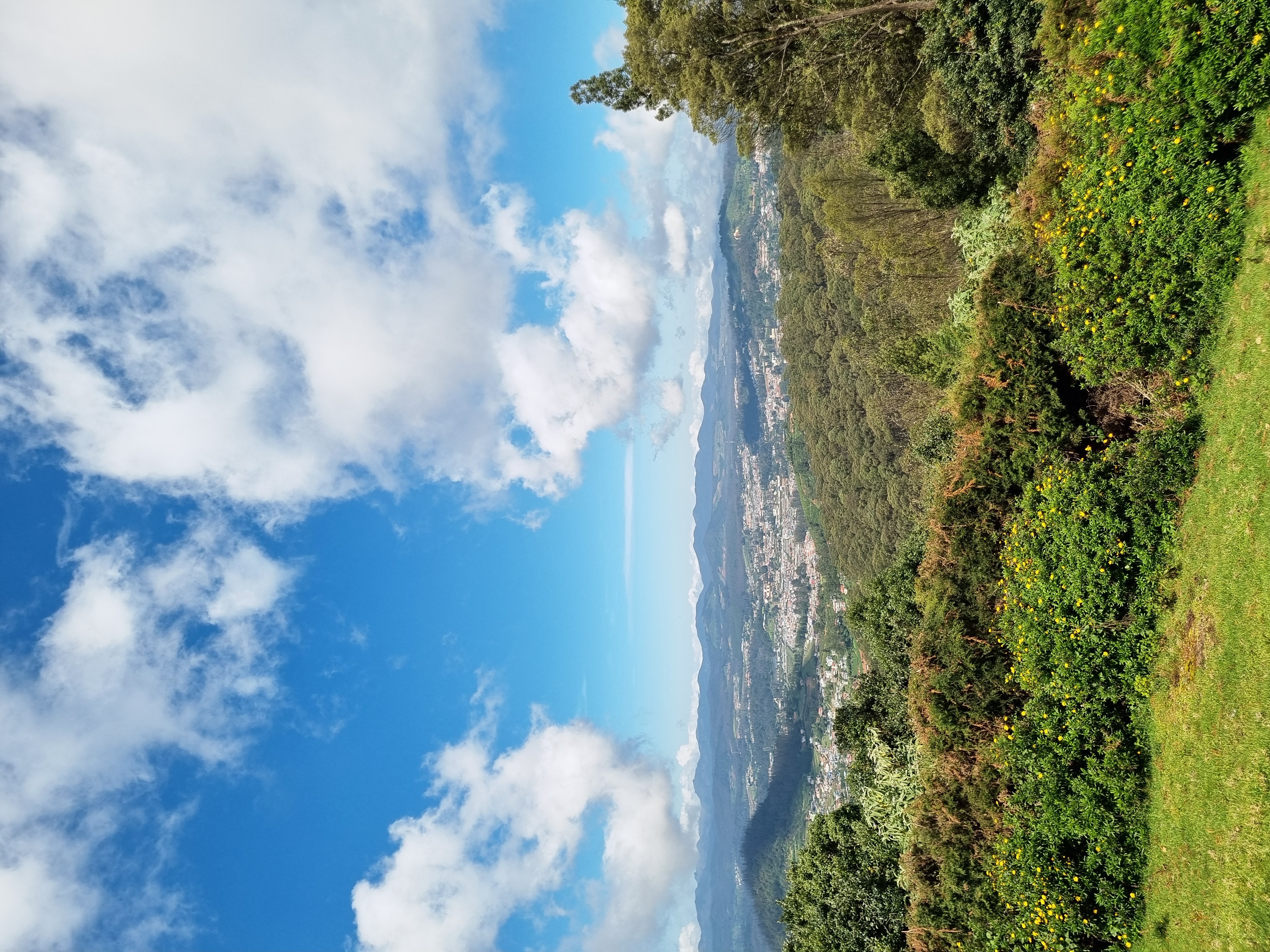
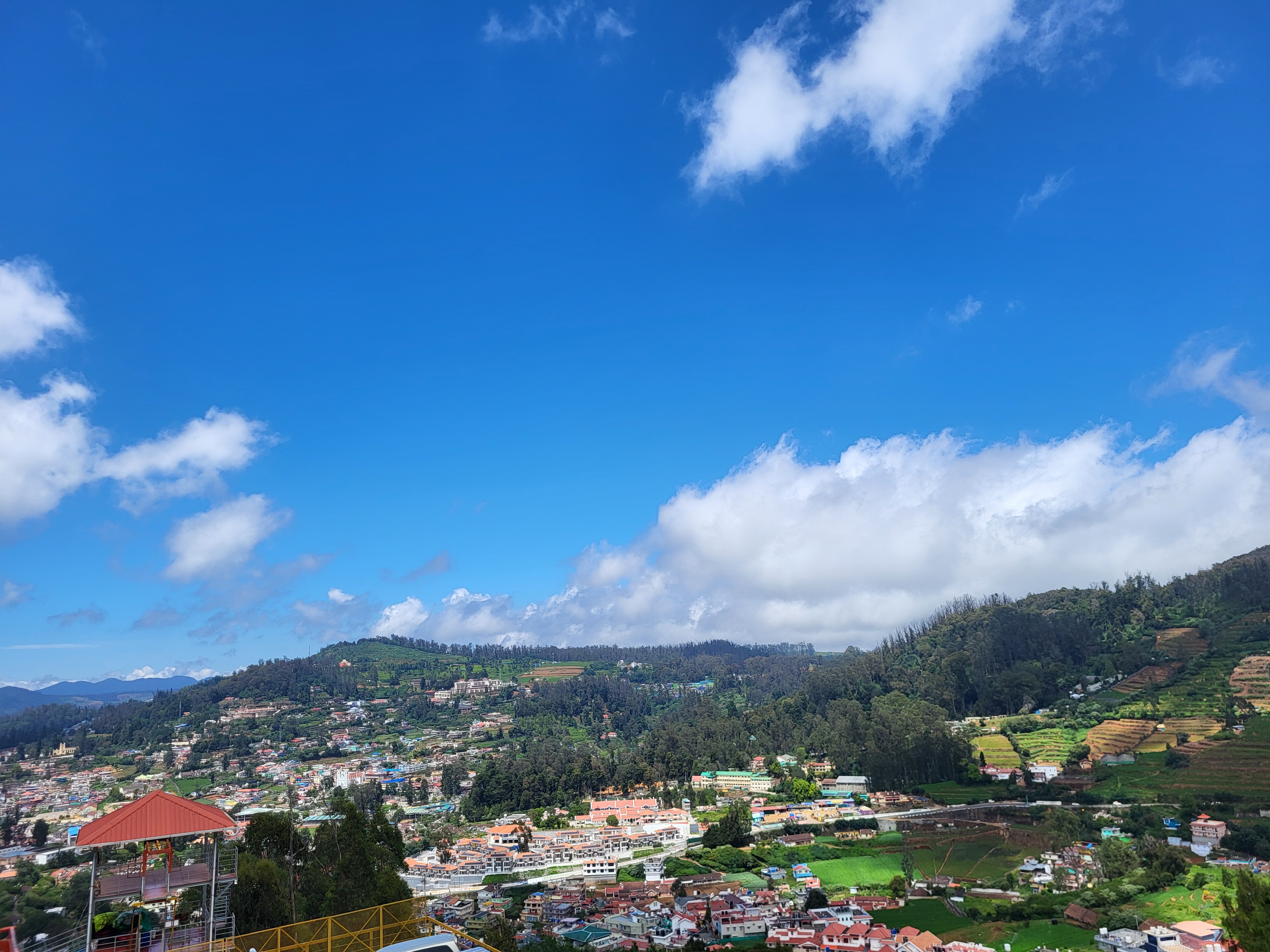
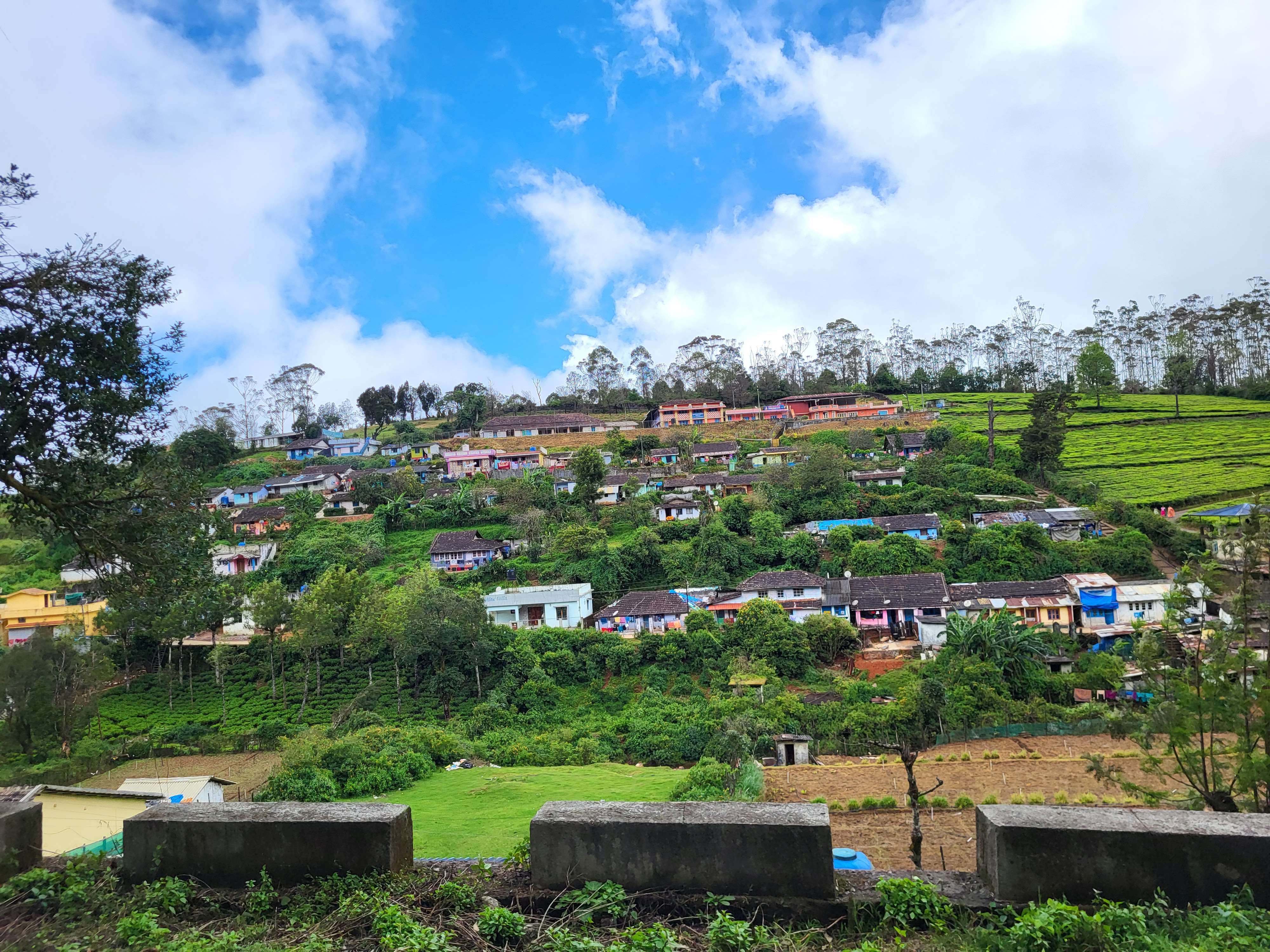
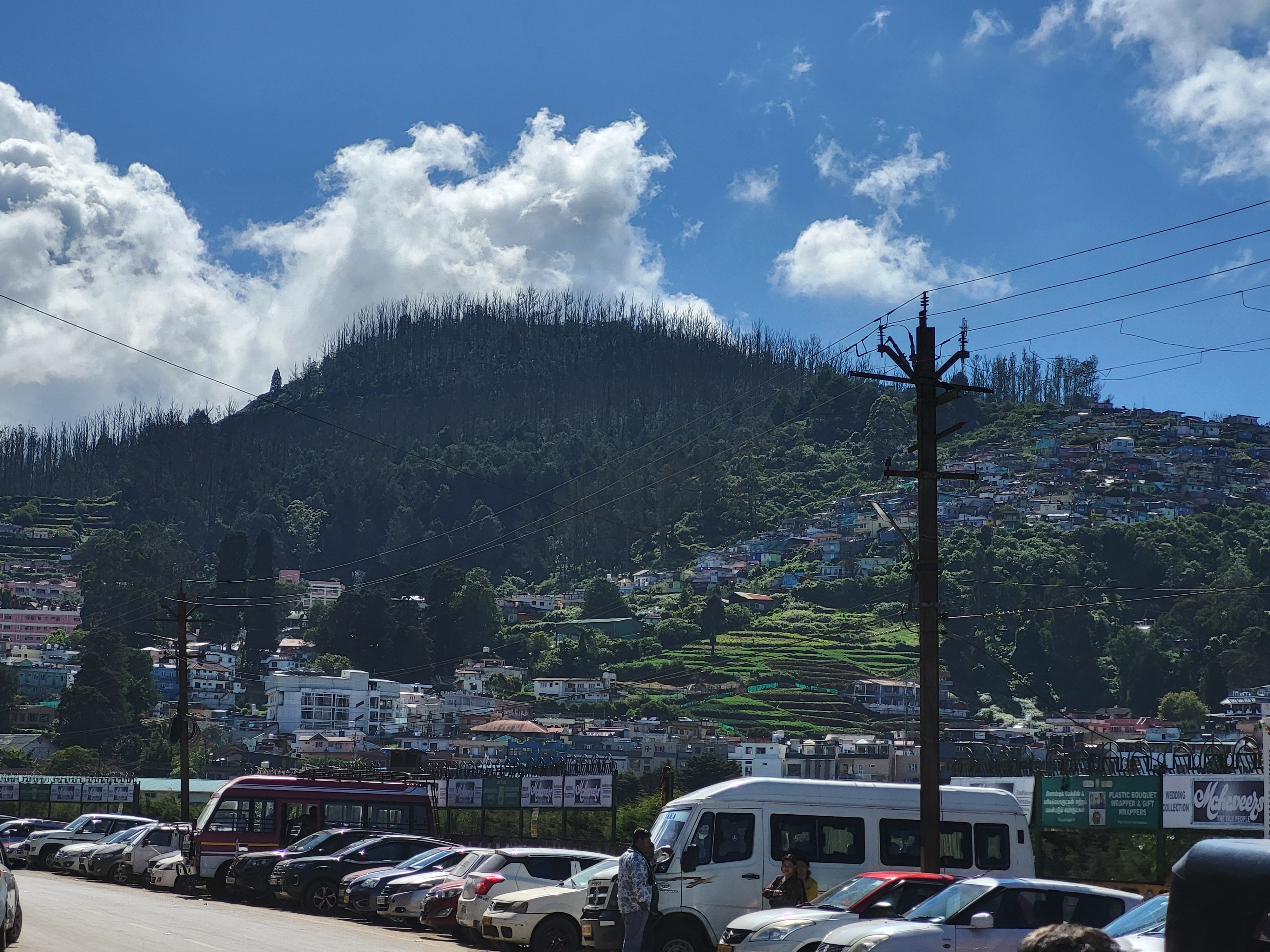
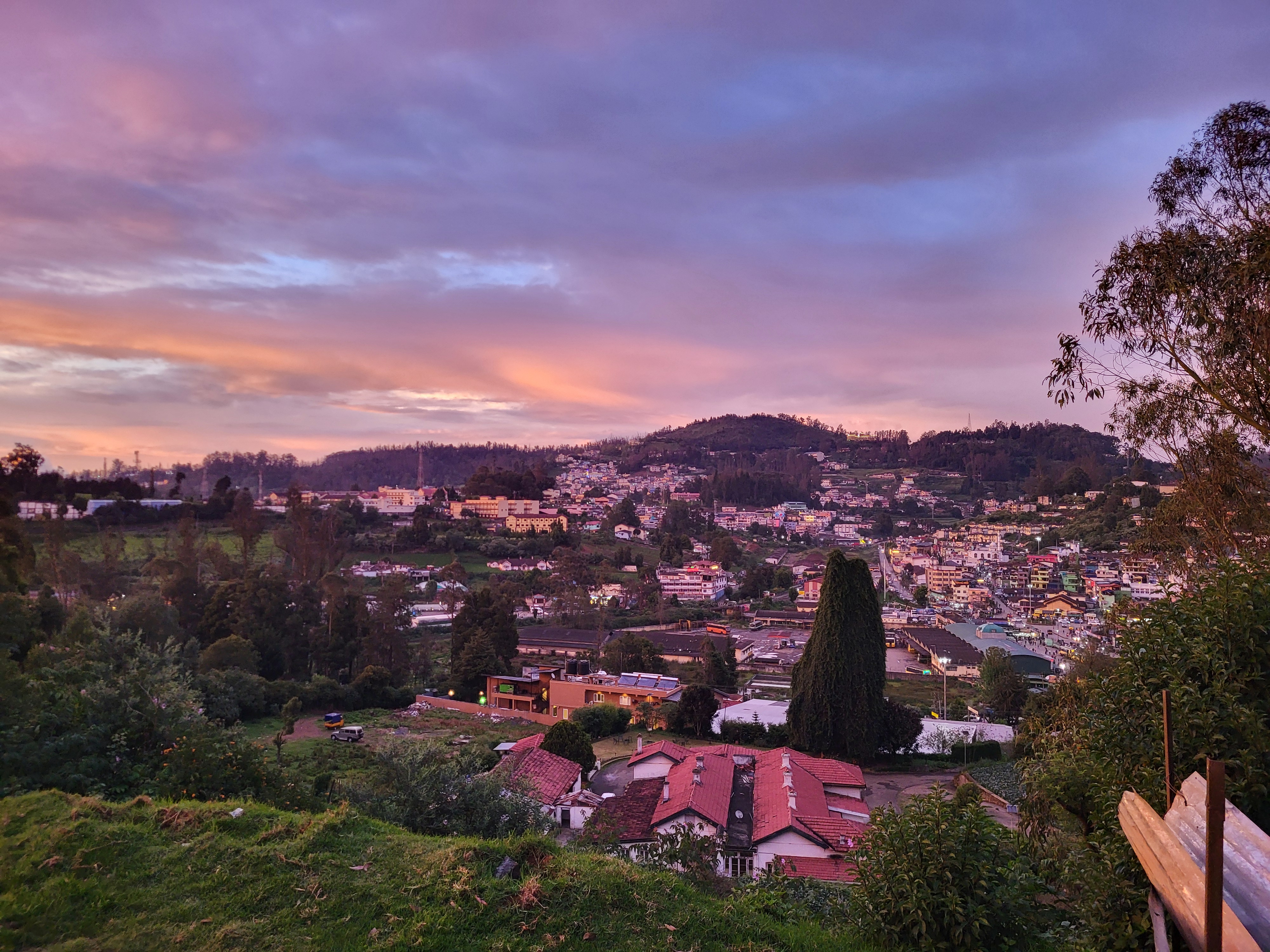
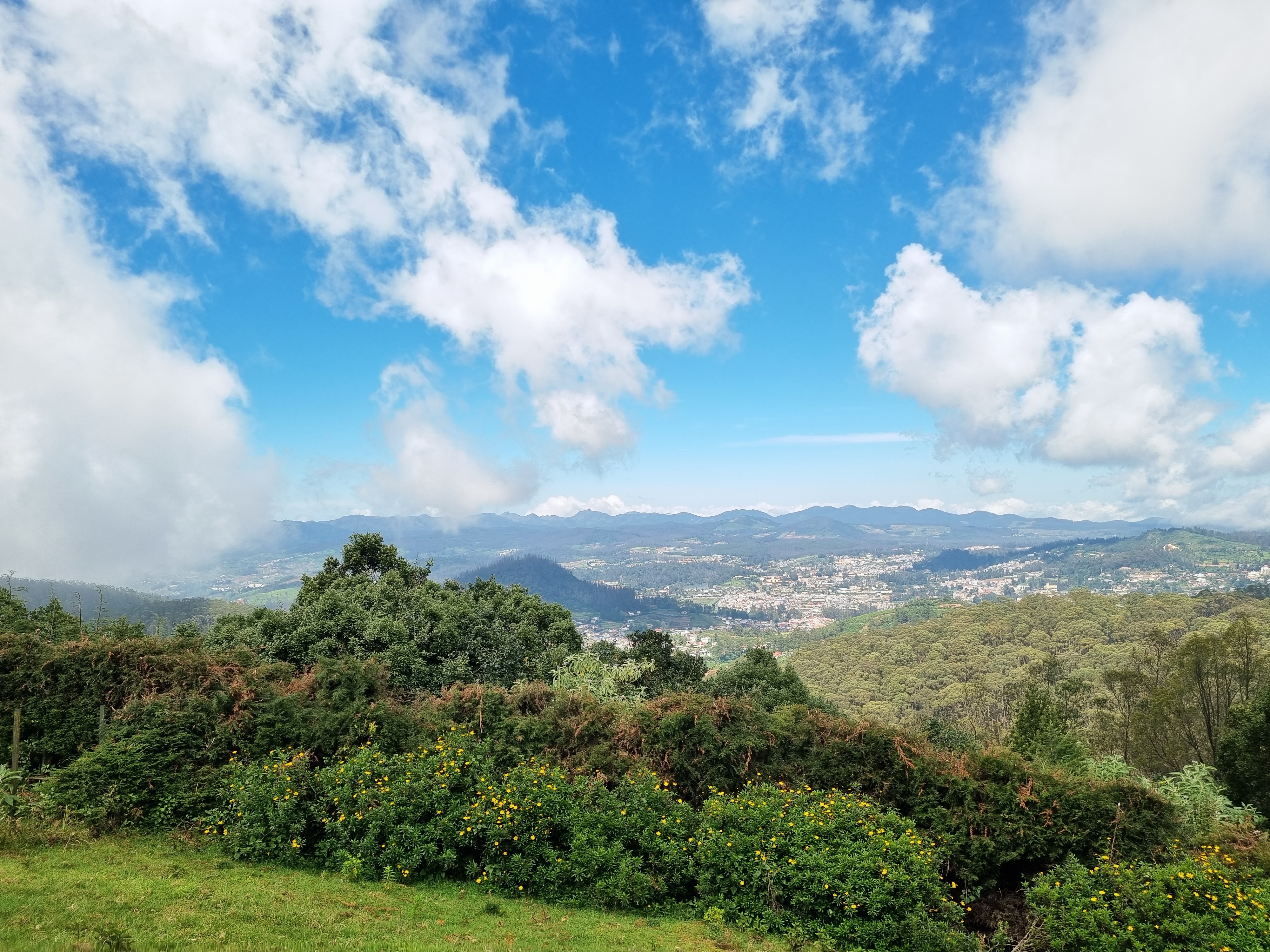
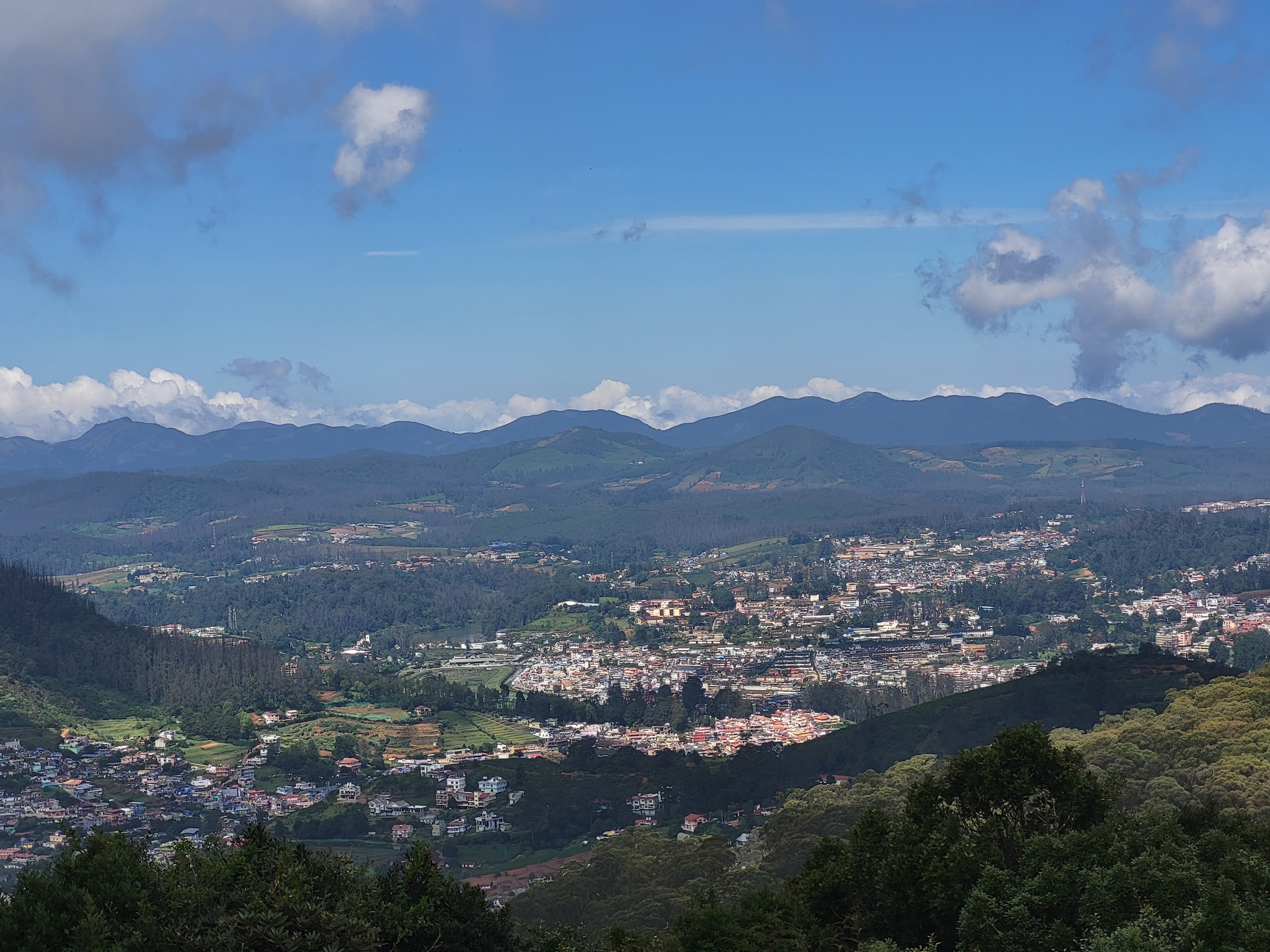
Ooty has several viewpoints, and we visited a few of them during the trip. From above, the entire town looks different. You don't see individual buildings or people, you see patterns. Roads cutting through hills, clusters of houses, and layers of greenery stretching into the distance. It gives you perspective, literally and mentally. When you're inside a place, everything feels immediate and important. But when you step back and look from a distance, things feel simpler and more structured.
Evenings in Ooty: A Shift in Energy
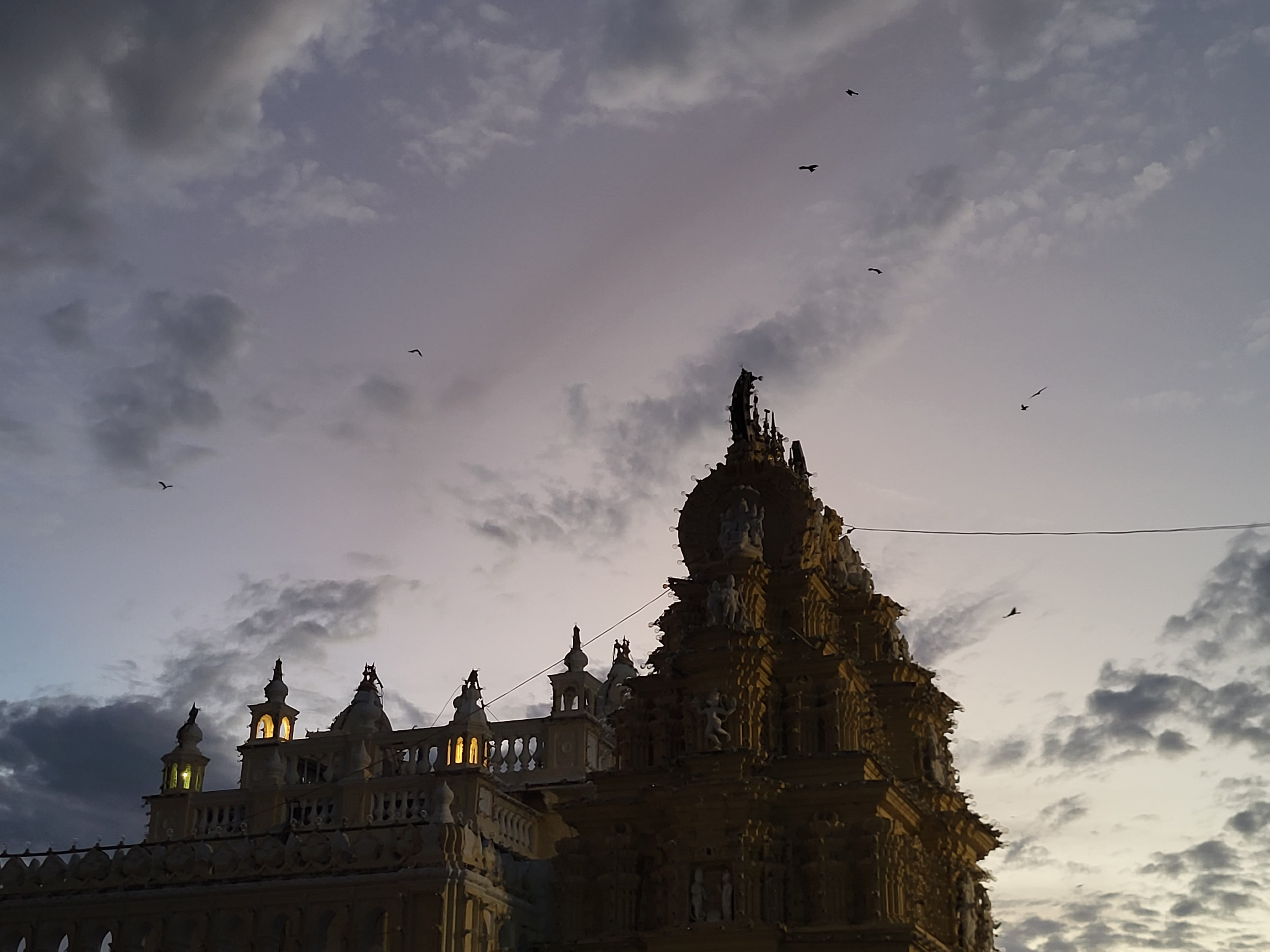
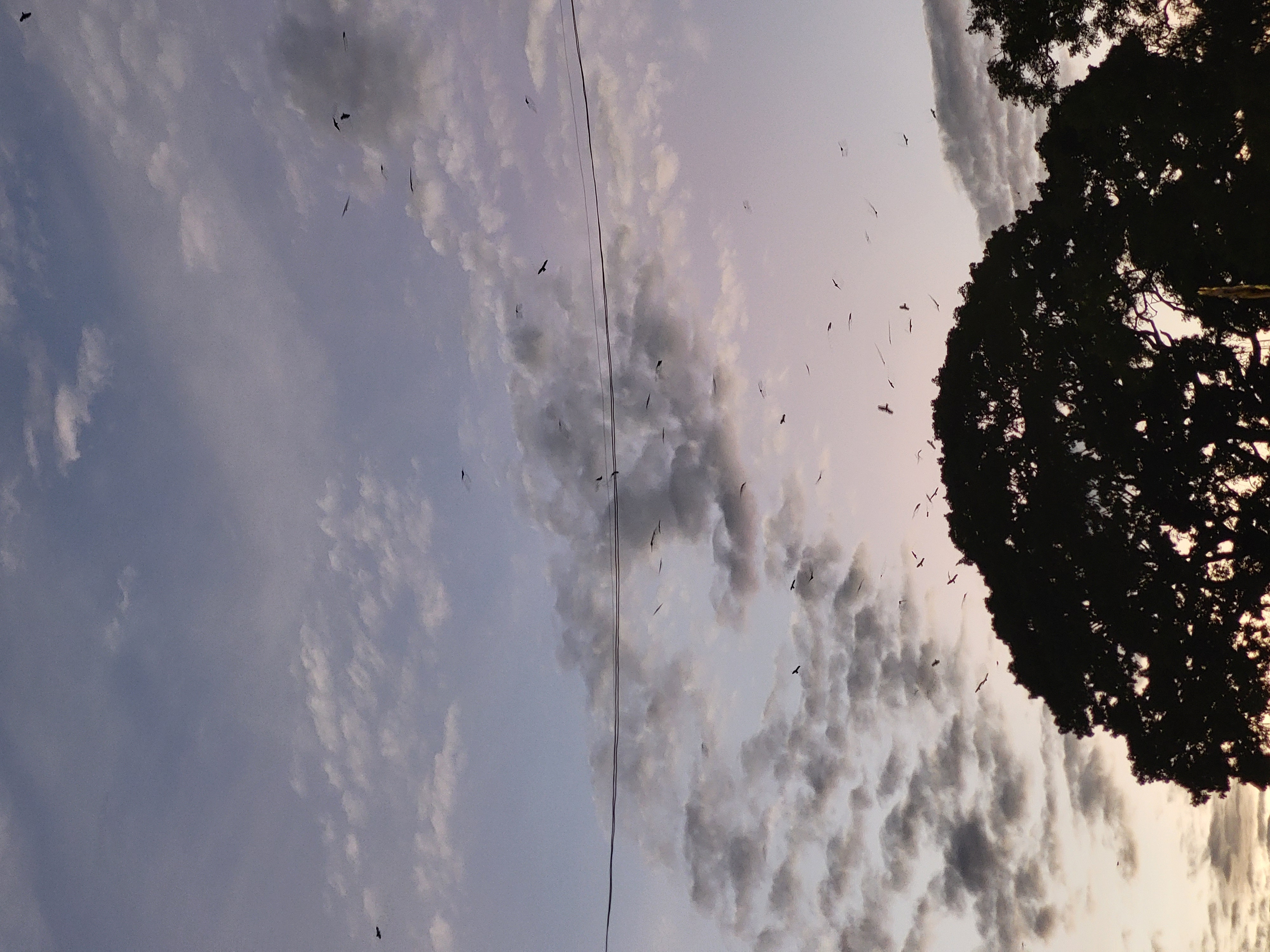
Evenings were easily one of the best parts of the trip. The light changes quickly, and with it, the entire atmosphere shifts. The sky transitions through different shades, and the temperature drops even further. One evening stood out in particular, near a quiet temple, we noticed a large flock of birds moving together in the sky. It wasn't random. Their movement was synchronized, almost like they were operating as a single unit. Watching that for a few minutes was surprisingly engaging.
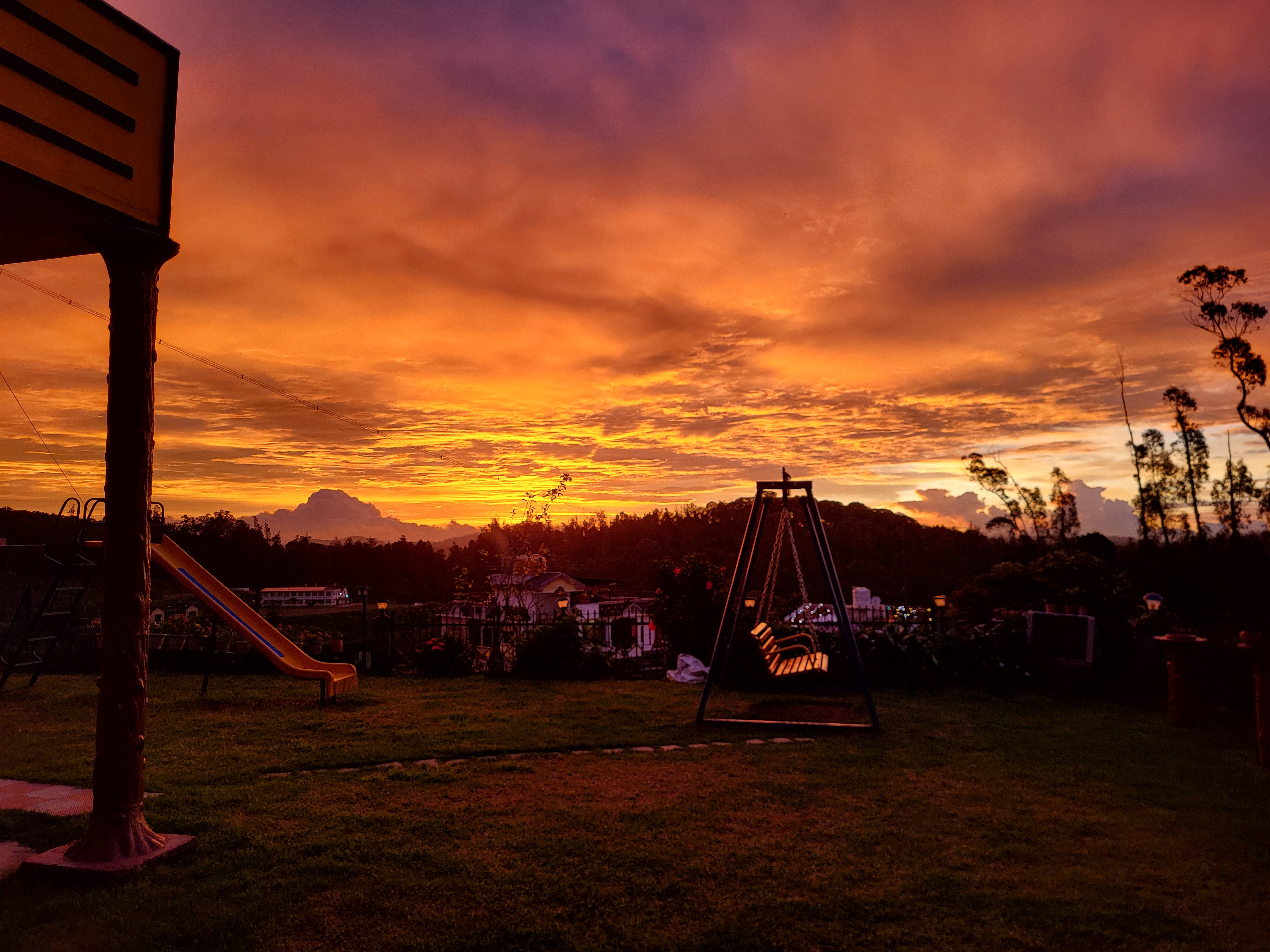
Later, the sunset turned intense, deep orange shades spreading across the sky. It wasn't just "beautiful," it felt powerful in a way that's hard to explain. These are the kinds of moments that don't need much interpretation. You just experience them.
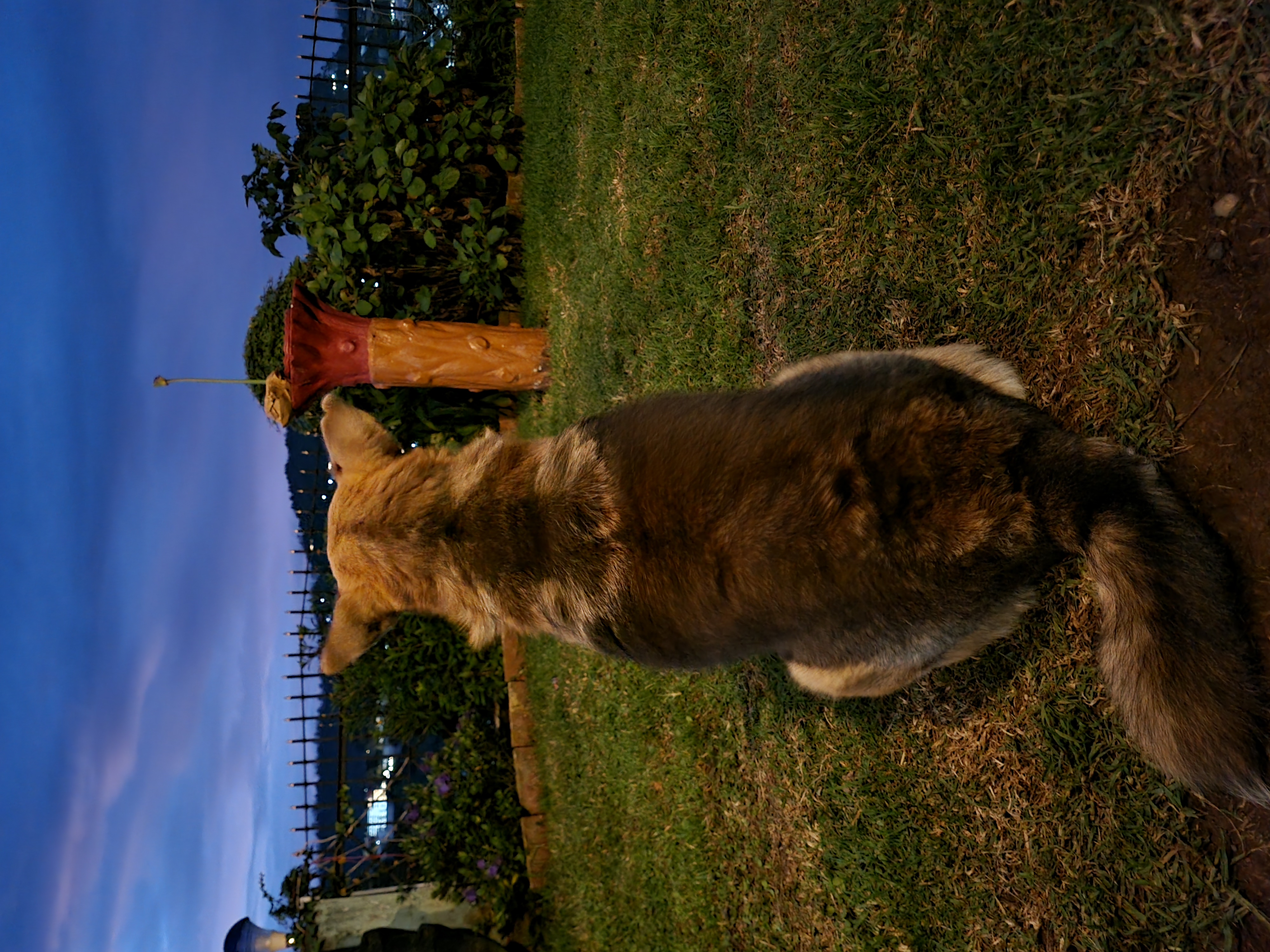
As night fell, the garden grew quiet. City lights flickered in the distance. A stray dog came and sat nearby, no interaction, no expectations. Just two beings sharing the same space in the cool air. Weirdly, that was enough.
The Smaller Moments That Stay With You
What made the trip memorable wasn't just the popular spots, it was everything in between. Quiet walks without a destination, sitting by the roadside doing nothing, watching fog slowly cover entire areas, random conversations and long silences. These moments don't seem important at the time, but they're the ones that stay with you later, because they're real, unplanned, and uninterrupted.
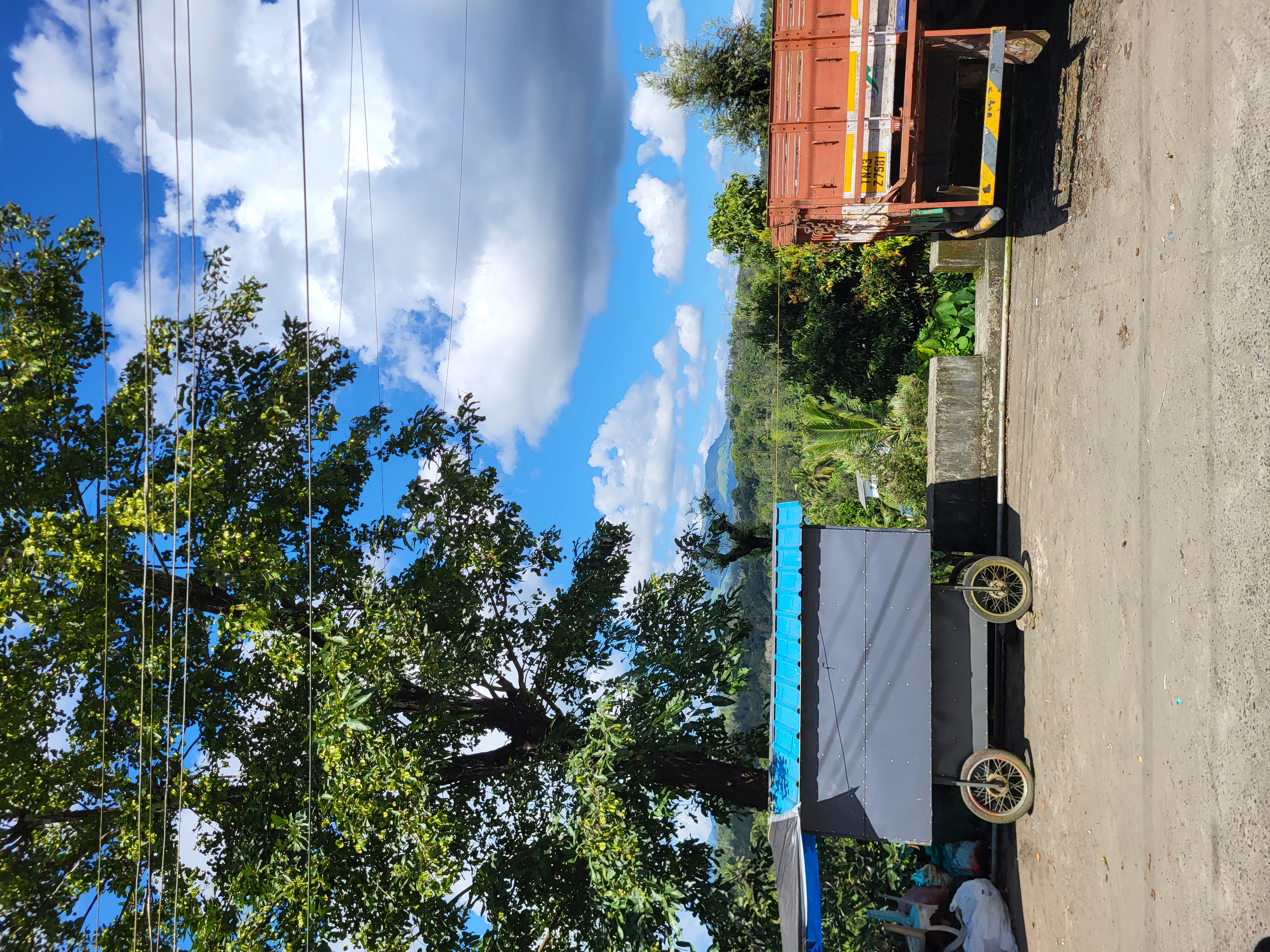
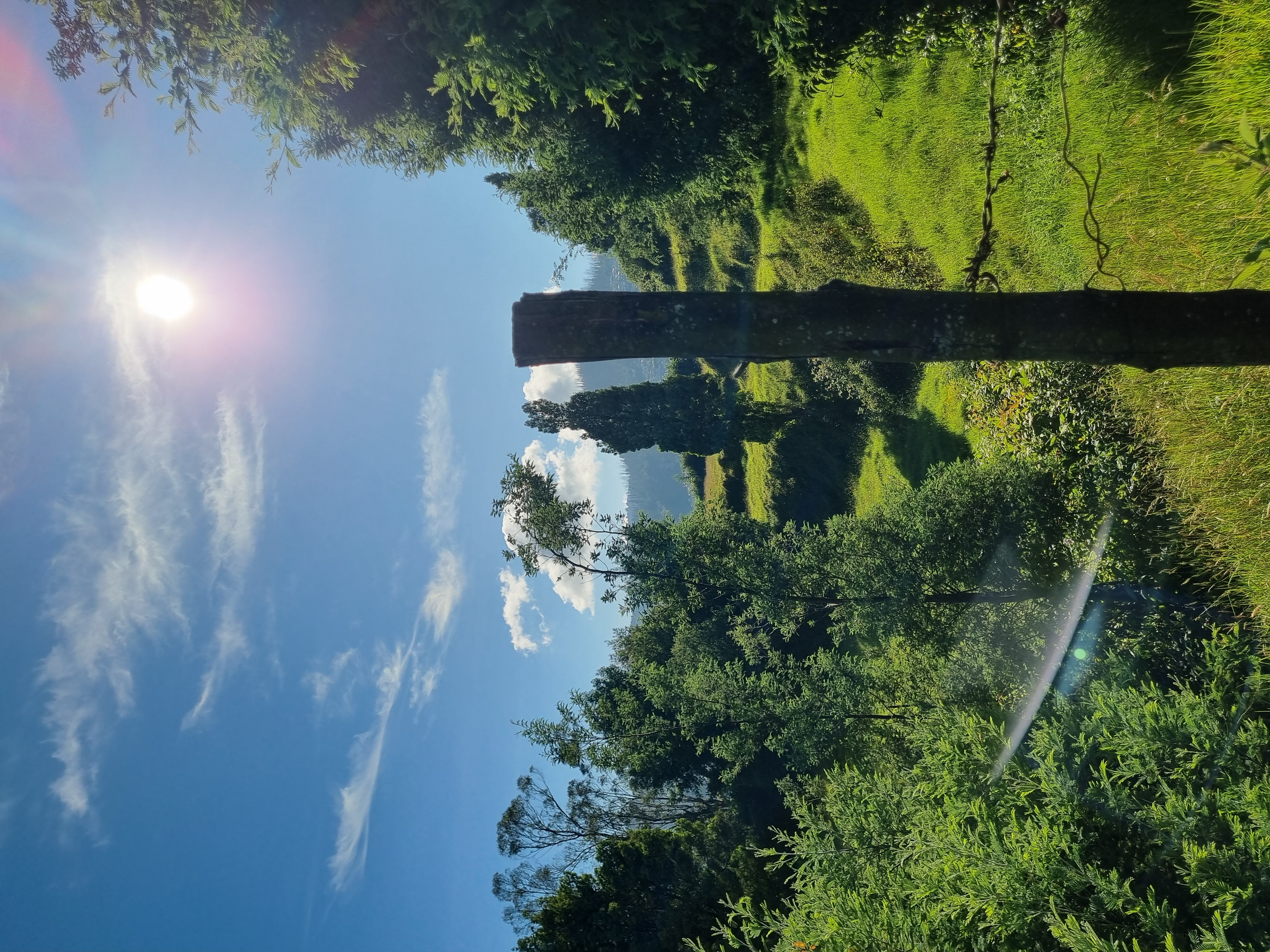
The winding roads and sudden clearings kept things interesting. Every turn was an exercise in anticipation without expectation. More studies in altitude and low visibility, total silence among the pines and eucalyptus. When the visual plane is restricted by fog, the internal plane expands.
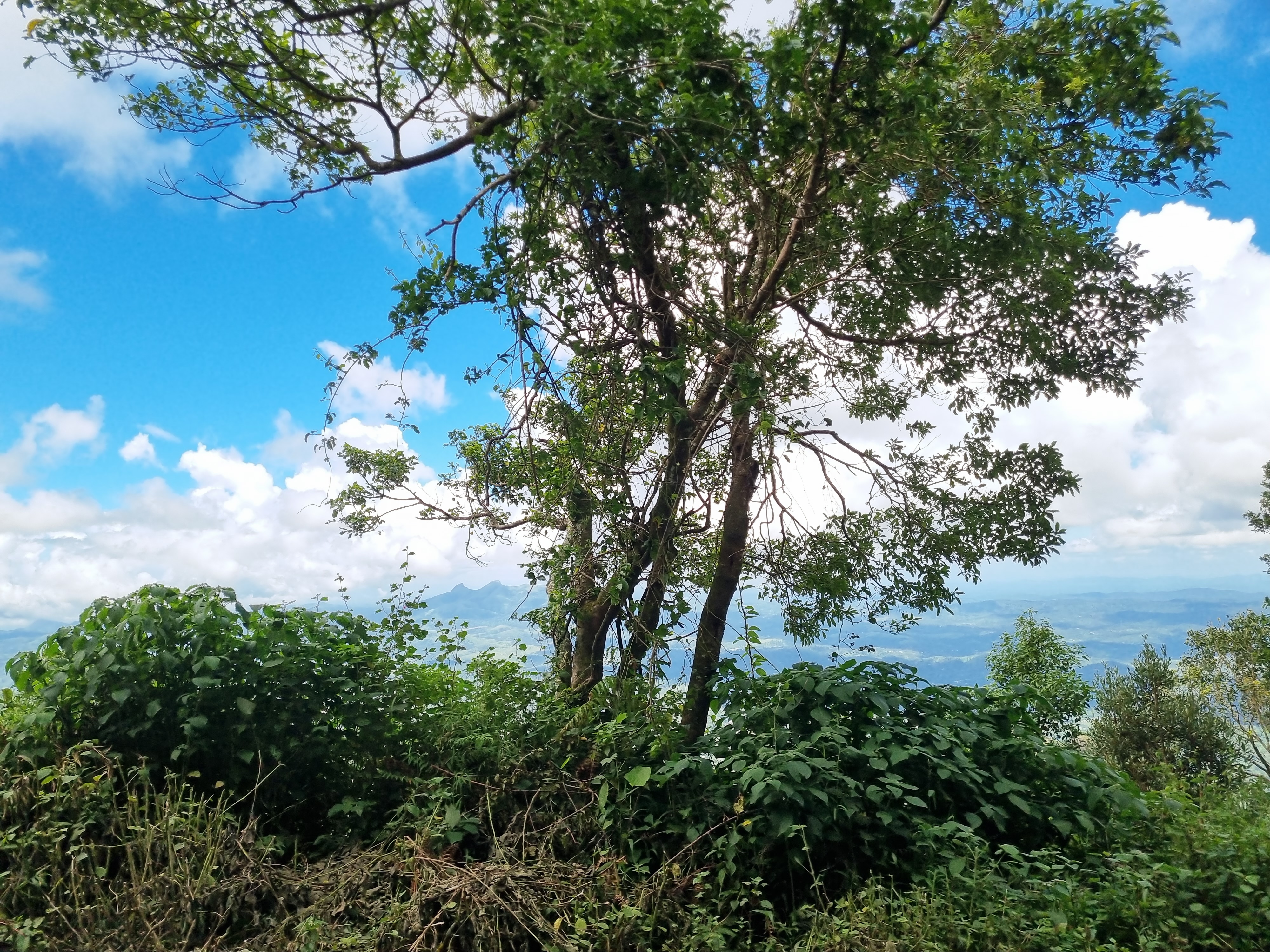
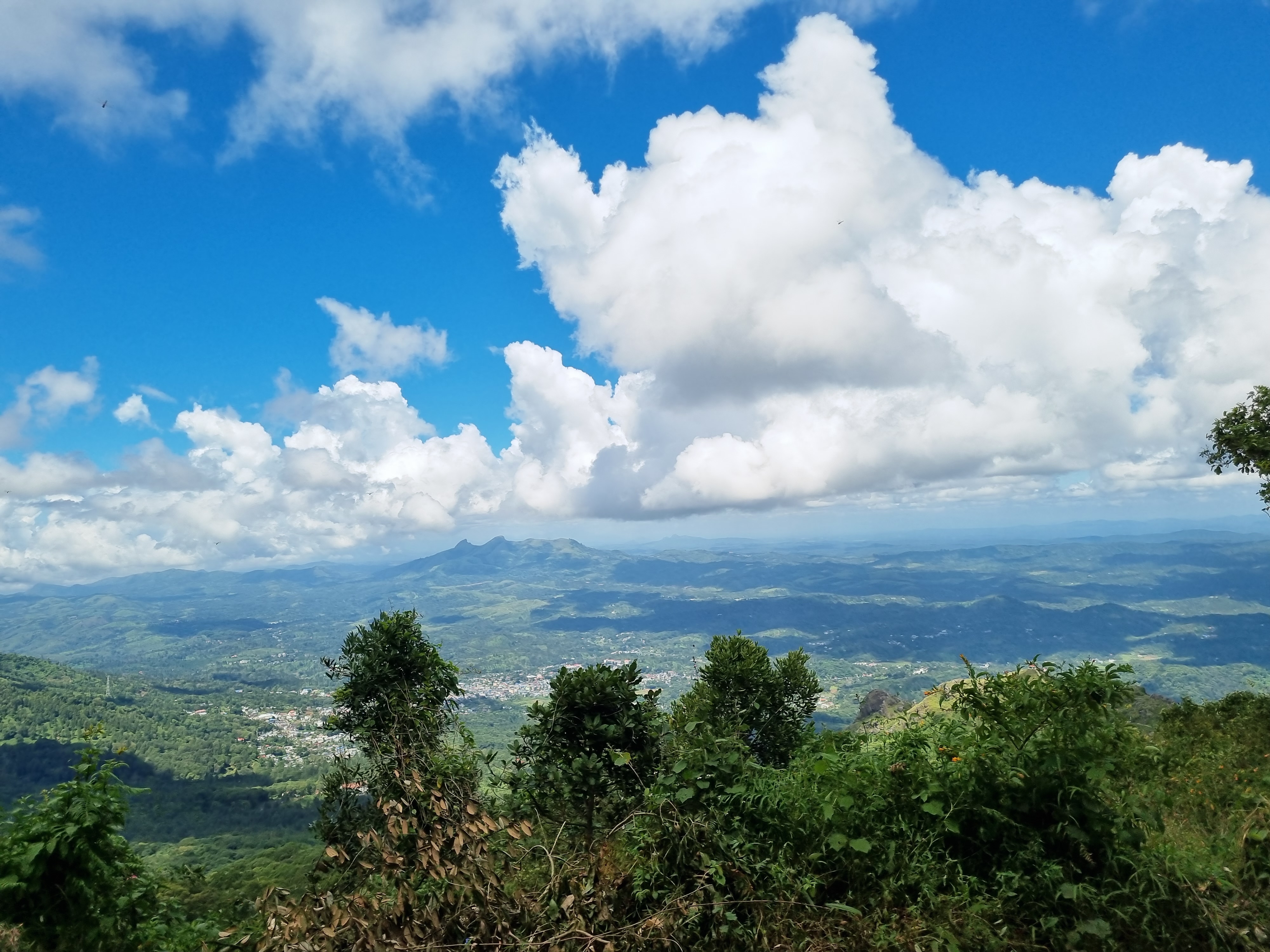
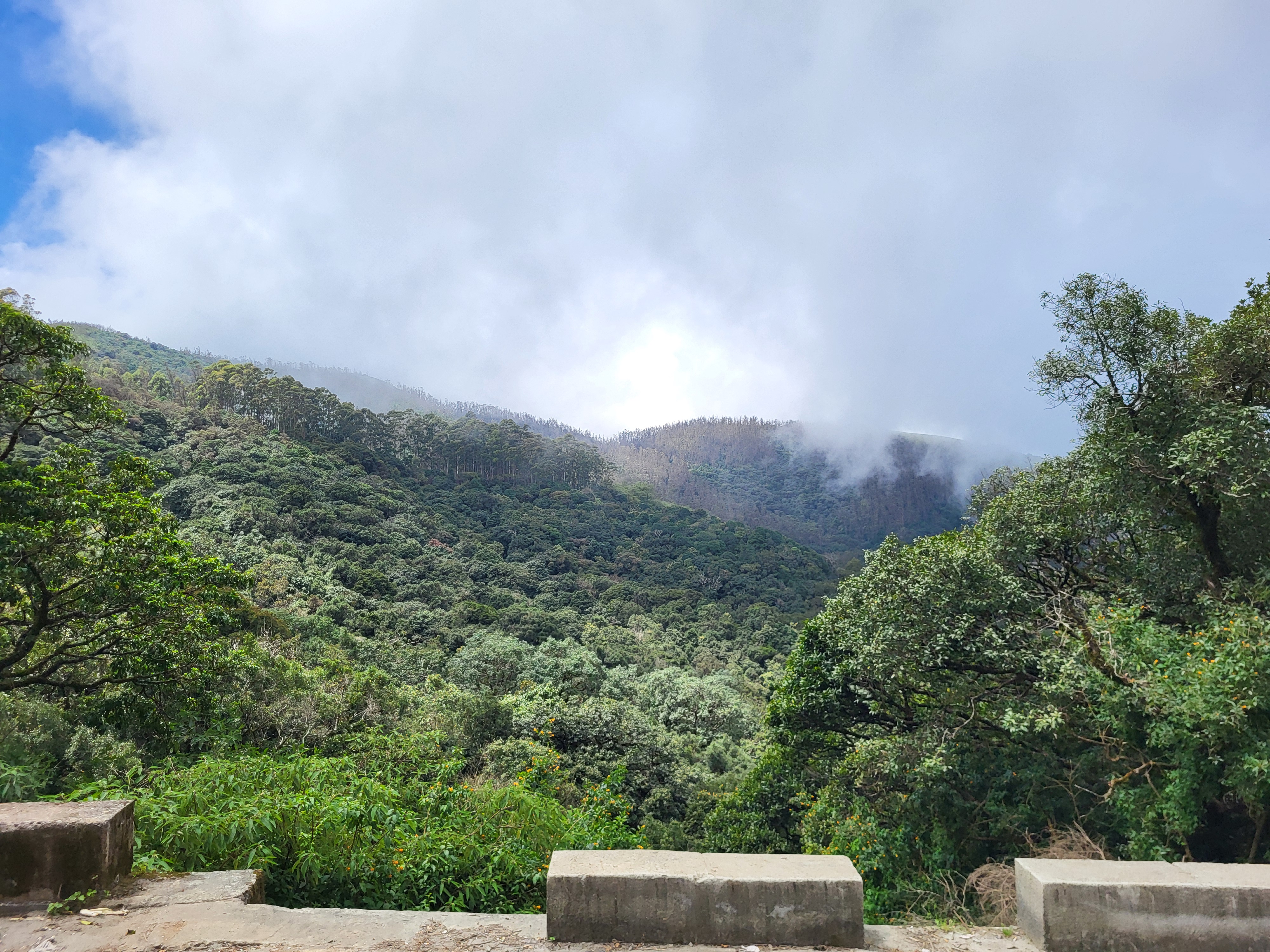
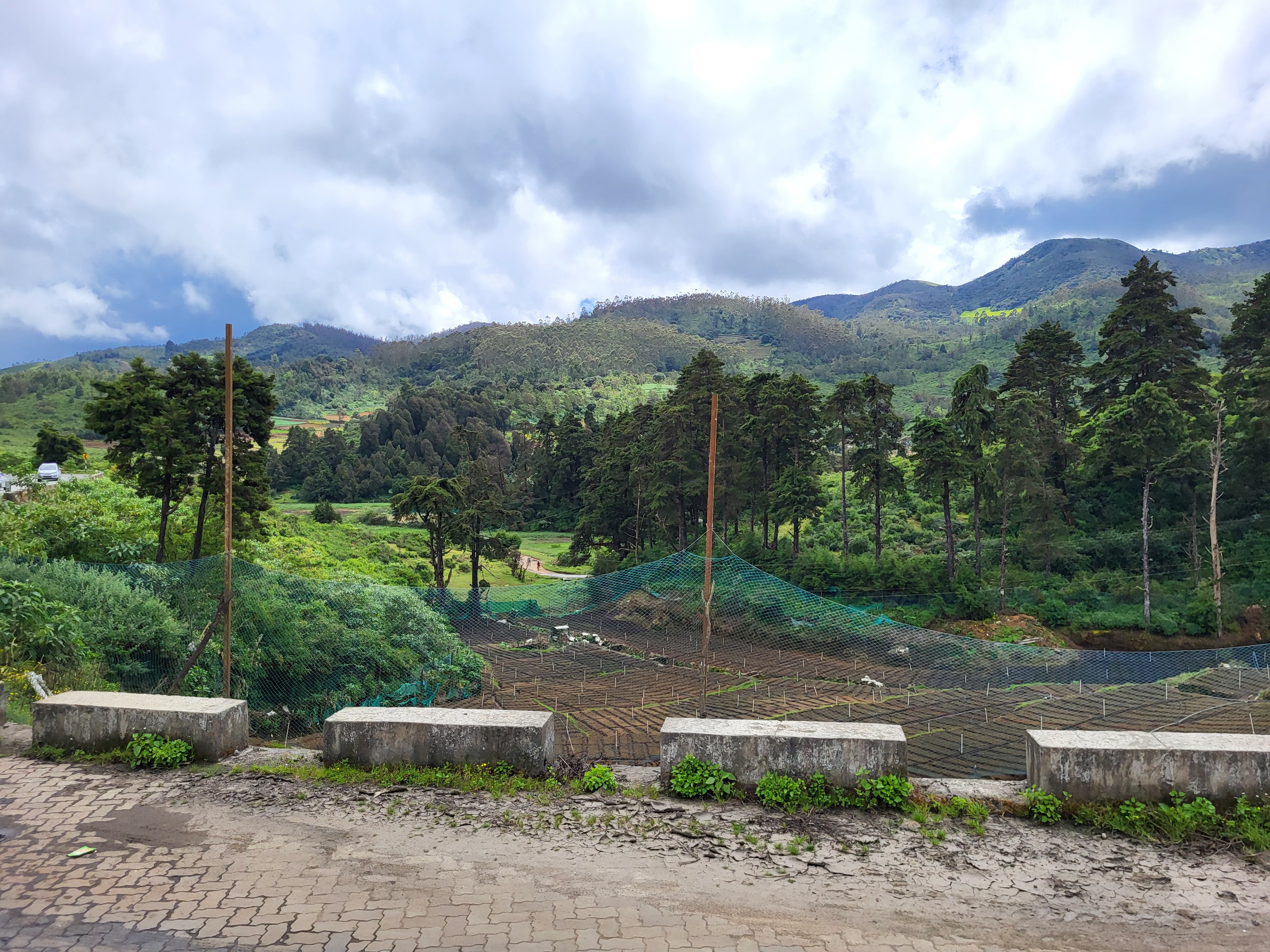
Further notes from the central elevations. The topography itself acts as a quiet barrier, insulating the mind from external noise. The changing light demands a changing awareness, every shadow shift is a reminder that the world keeps moving whether you're paying attention or not.
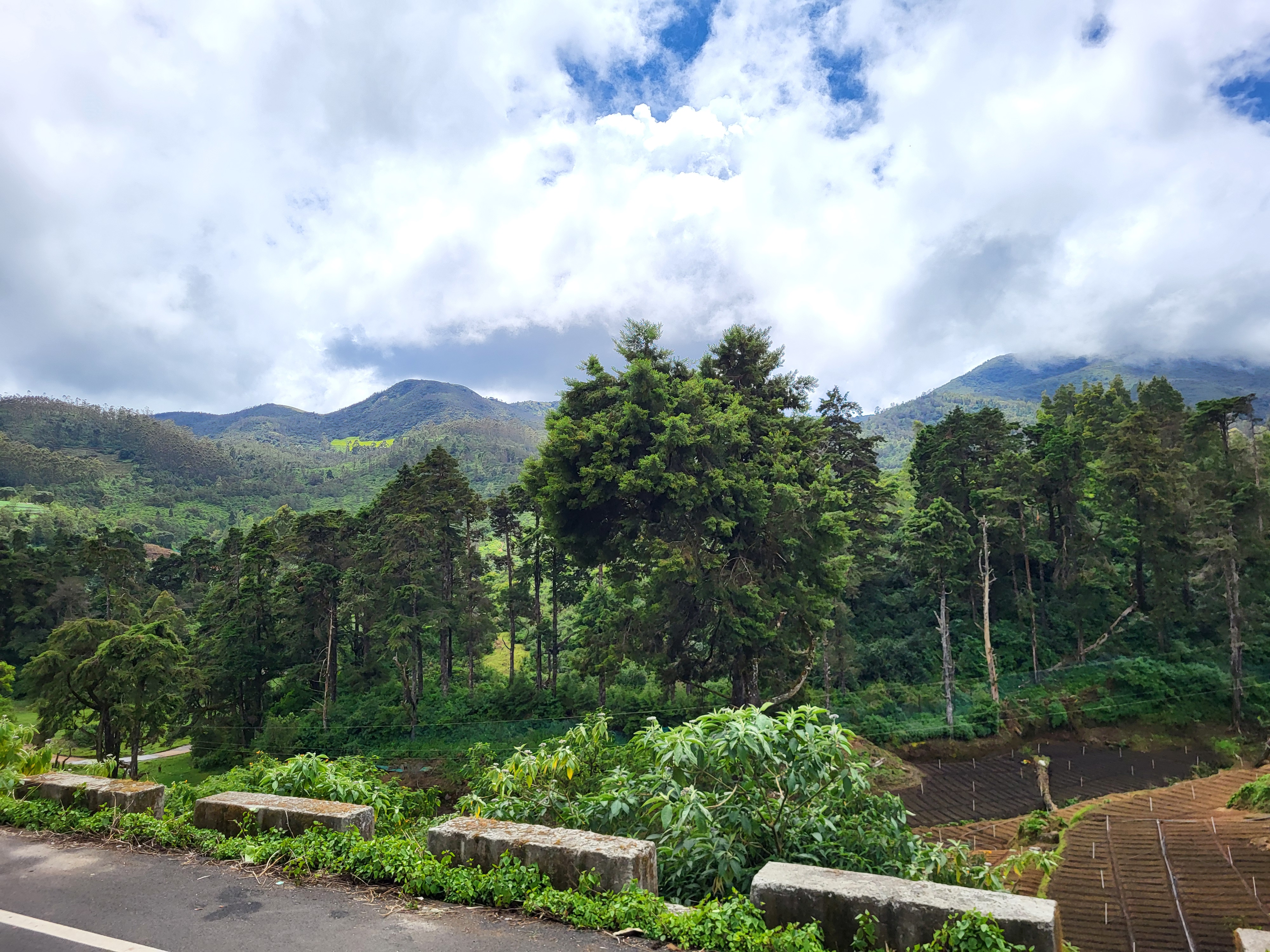
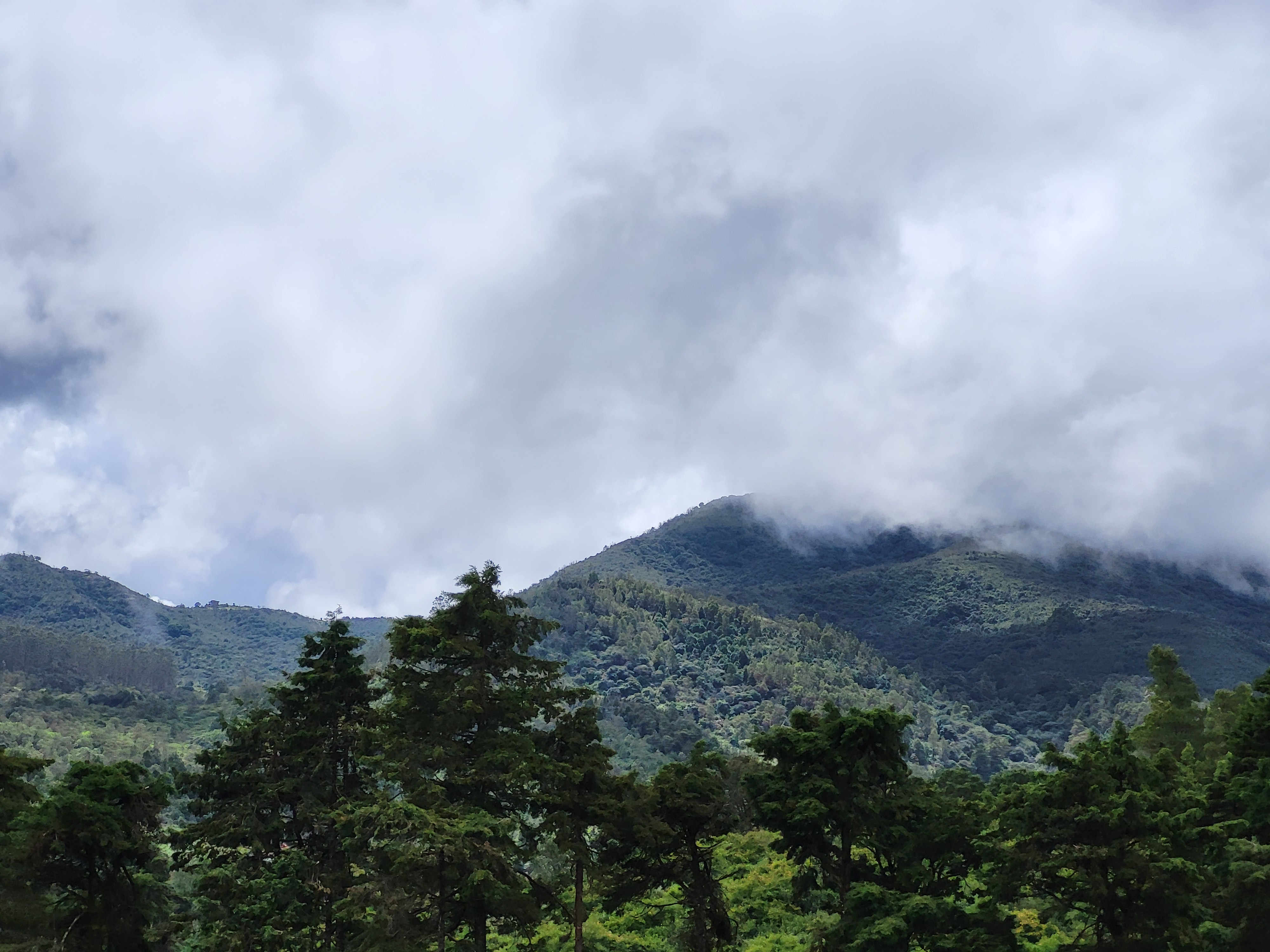
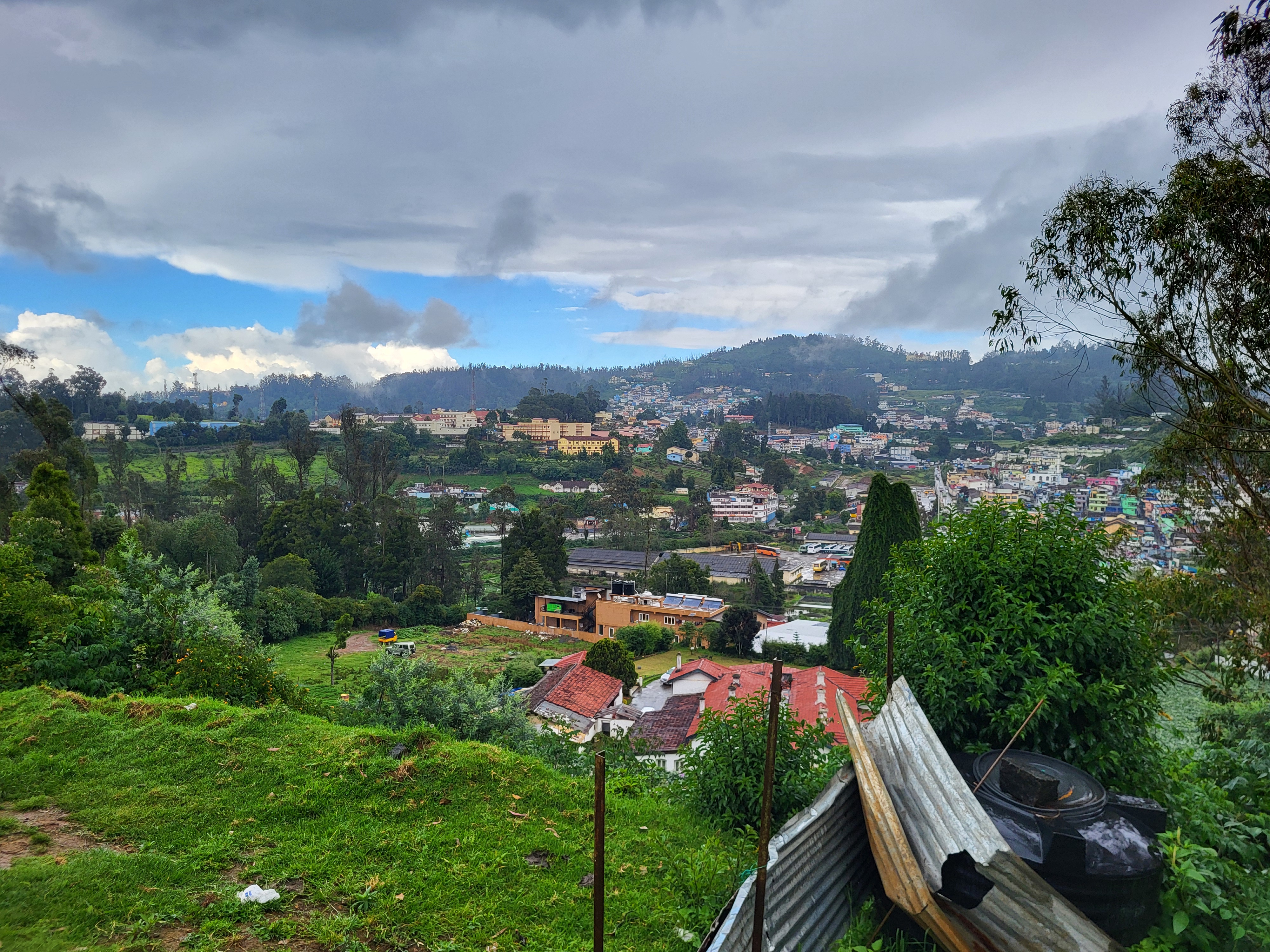
More views of the town from above, observing the grid as a silent outsider. And the early morning haze, before the town wakes up, carries an unusual stillness that's hard to find anywhere else.
The Return: Carrying Something Back
On the last day, before heading back, I spent some time just sitting and looking around. Same place, same environment, but it didn't feel the same as when we arrived. Trips like this don't change you instantly or dramatically. There's no sudden realization or big conclusion. It's more subtle than that. You just return with a slightly different perspective, a little calmer, a little more aware, and a bit less rushed. And that's something I don't usually practice, but probably should.
If you ever go to Ooty, don't just visit it. Take your time with it.